Wood vs. Stone Countertops: Which Works Best in Kitchens?
A kitchen upgrade can shift the entire feel of a home. Countertops sit at the center of that change, so the material you choose matters more than you might expect. If you’ve narrowed your options down to wood or stone, you’re already on the right track. Both bring character, durability, and long-term value to the space. In this guide to wood vs. stone countertops, we’ll discuss which works best in kitchens. Find out how to outfit your kitchen with the best materials available.
The Natural Appeal of Wood Countertops
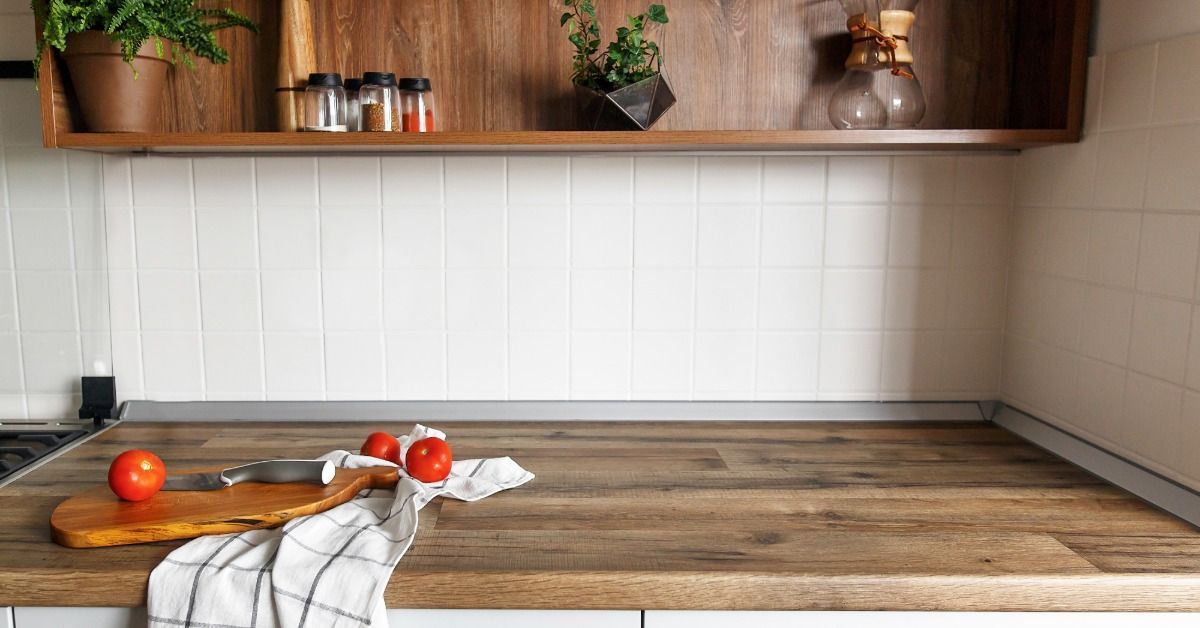
Wood countertops bring warmth that few materials can match. The grain patterns, tones, and textures create a welcoming atmosphere that fits both classic and modern kitchens. A butcher block island, for example, can turn a plain layout into something that feels lived-in and inviting.
Beyond looks, wood offers a softer surface under your hands. That can make everyday kitchen tasks feel more comfortable. Many homeowners enjoy the subtle give that wood provides compared to harder surfaces.
Wood also adapts well to different design styles. Light maple fits bright, airy kitchens, while rich walnut creates deeper contrast. Reclaimed wood introduces a rustic touch that adds character. Each option brings its own personality, which helps homeowners create a space that feels personal rather than generic.
Where Wood Shines in Everyday Use
Wood countertops perform well in certain areas of the kitchen. Islands, prep zones, and baking stations all benefit from a surface that feels natural and easy to work on. Many home cooks enjoy the direct connection to the material, especially when they spend time chopping, kneading, or plating meals.
Repairs also tend to stay simple. Scratches and small dents can be easily sanded out and refinished. That means the surface can regain its original look without a full replacement.
Wood also fits well in mixed-material kitchens. A stone perimeter paired with a wood island creates contrast and balance. That approach adds depth to the design without creating a visual distraction.
Points to Consider With Wood
Wood does require care. It reacts to moisture, heat, and daily use in ways that harder surfaces do not. Regular sealing helps protect the surface, and quick cleanups prevent stains from setting in.
Water exposure can lead to warping if left unchecked, and heat may leave marks without proper protection. Maintenance includes oiling or sealing over time, which adds a routine step to your kitchen care. These tasks don’t take much effort, though they do call for consistency. For homeowners who enjoy hands-on care, wood can feel rewarding. For others, it may feel like one more task on the list.
The Strength and Style of Stone Countertops
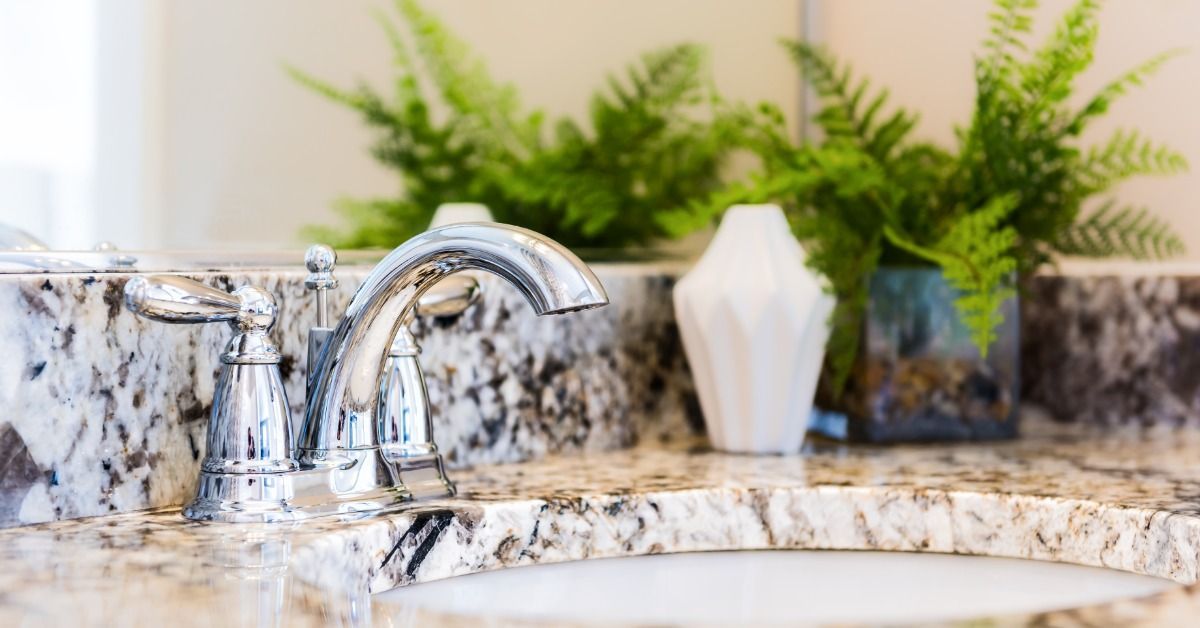
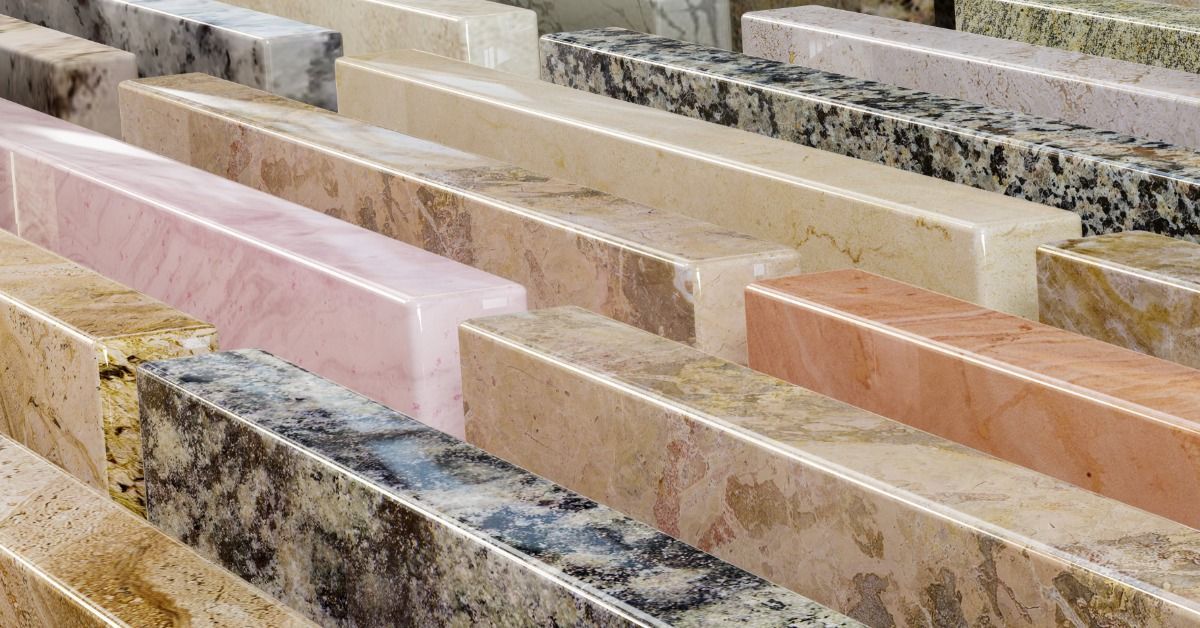
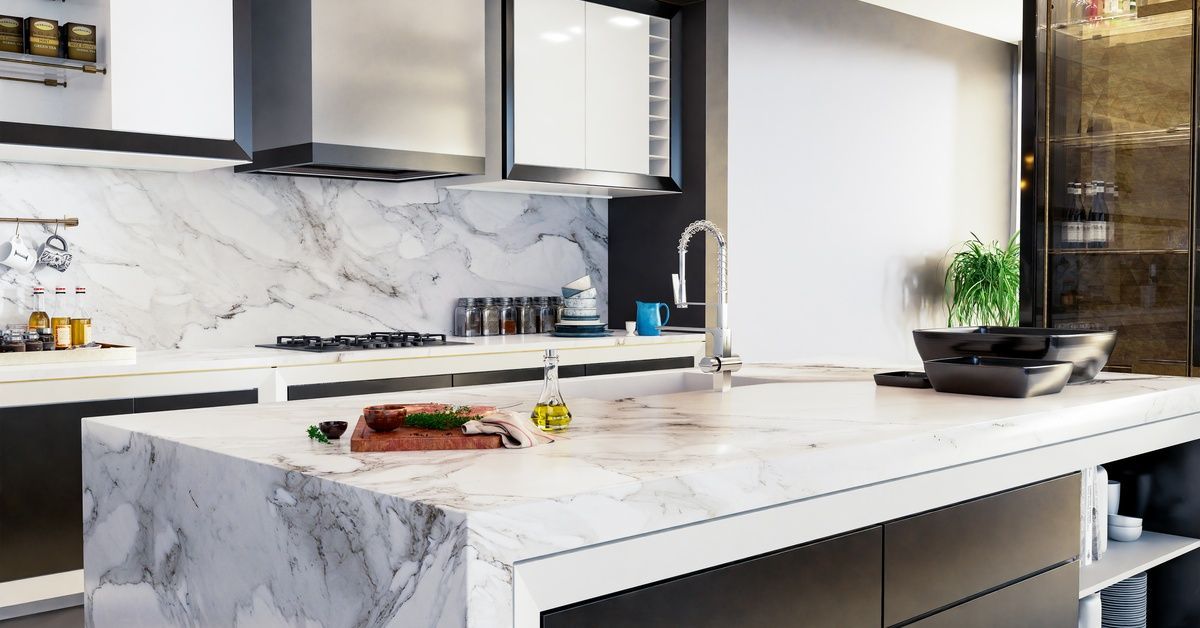
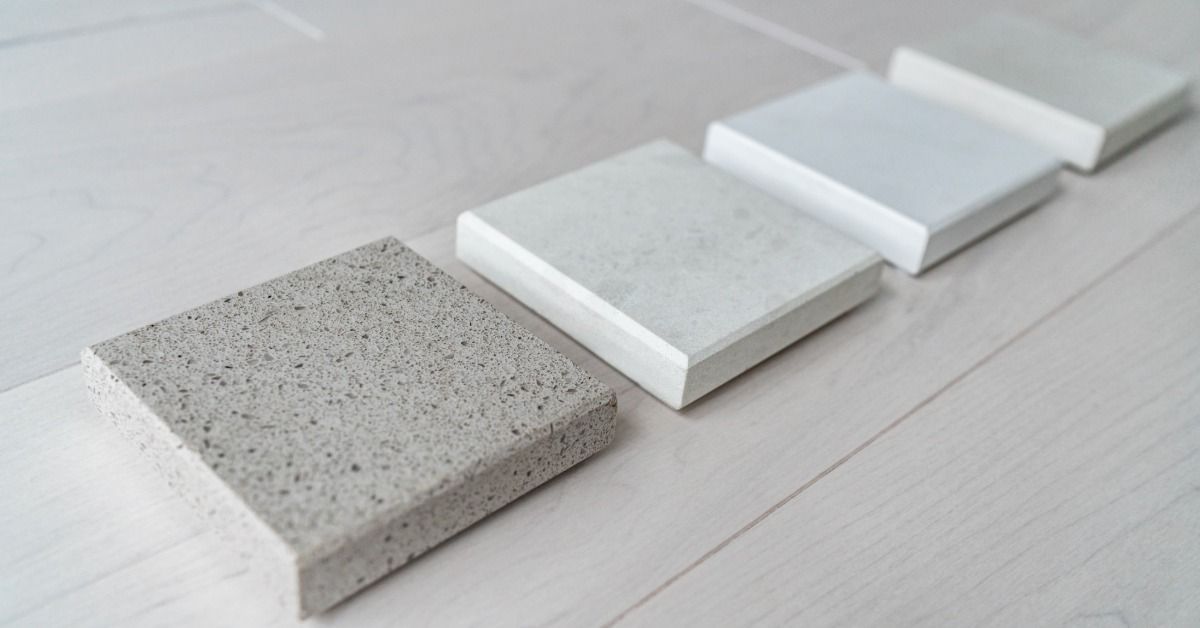
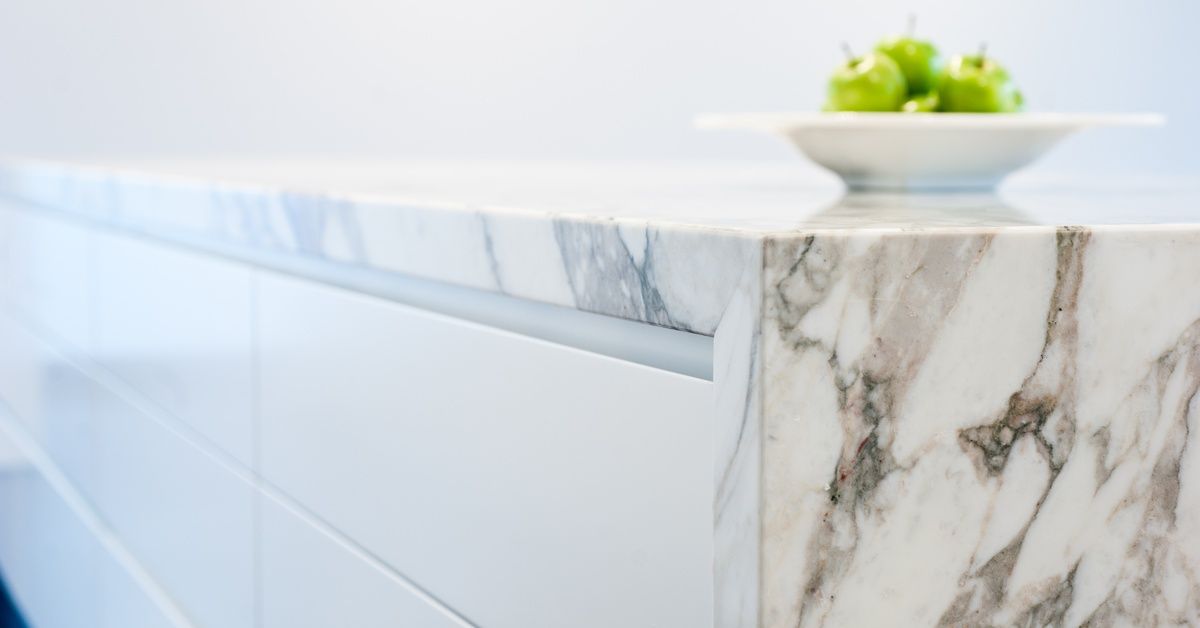
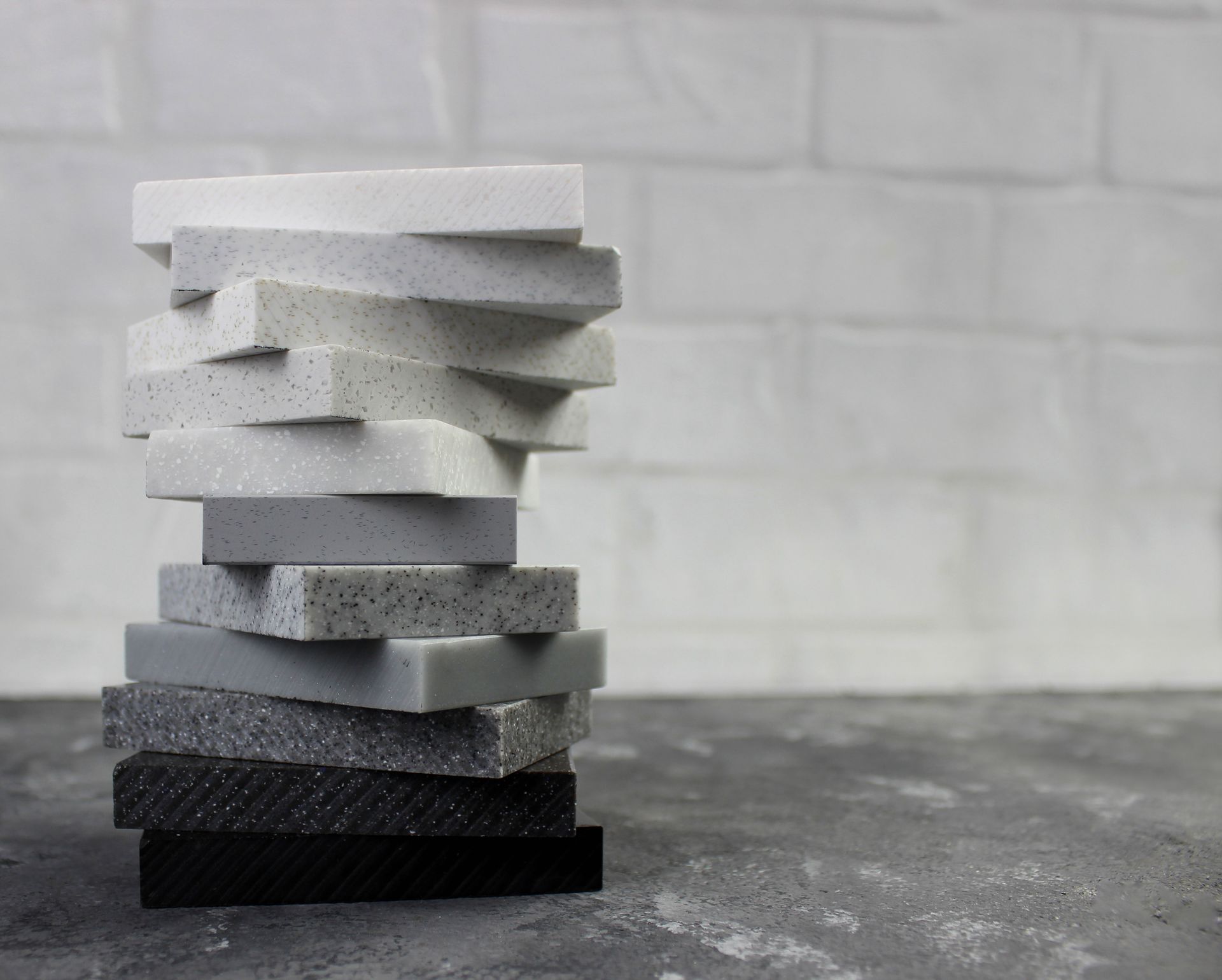
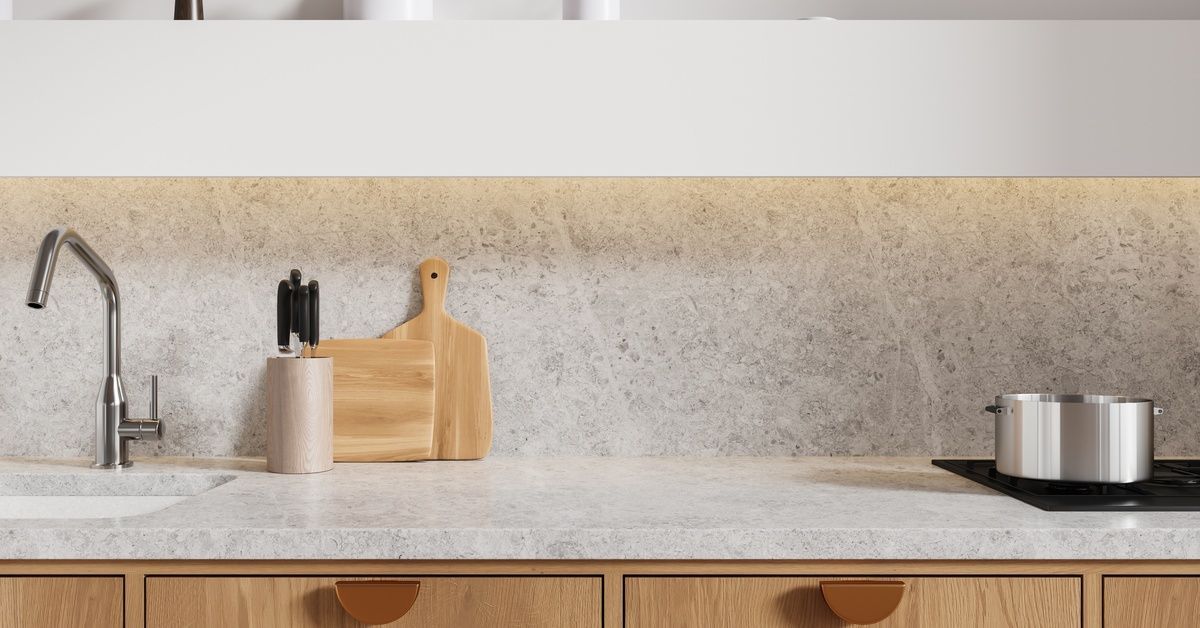
Stone countertops bring a different kind of appeal. Materials like granite, quartzite, marble, and engineered quartz deliver durability along with visual impact. Each slab features unique patterns, which means no two kitchens look the same.
Stone also handles daily use with ease. It resists heat, stands up to heavy cookware, and keeps its structure over many years. That reliability makes it a popular choice for busy households.
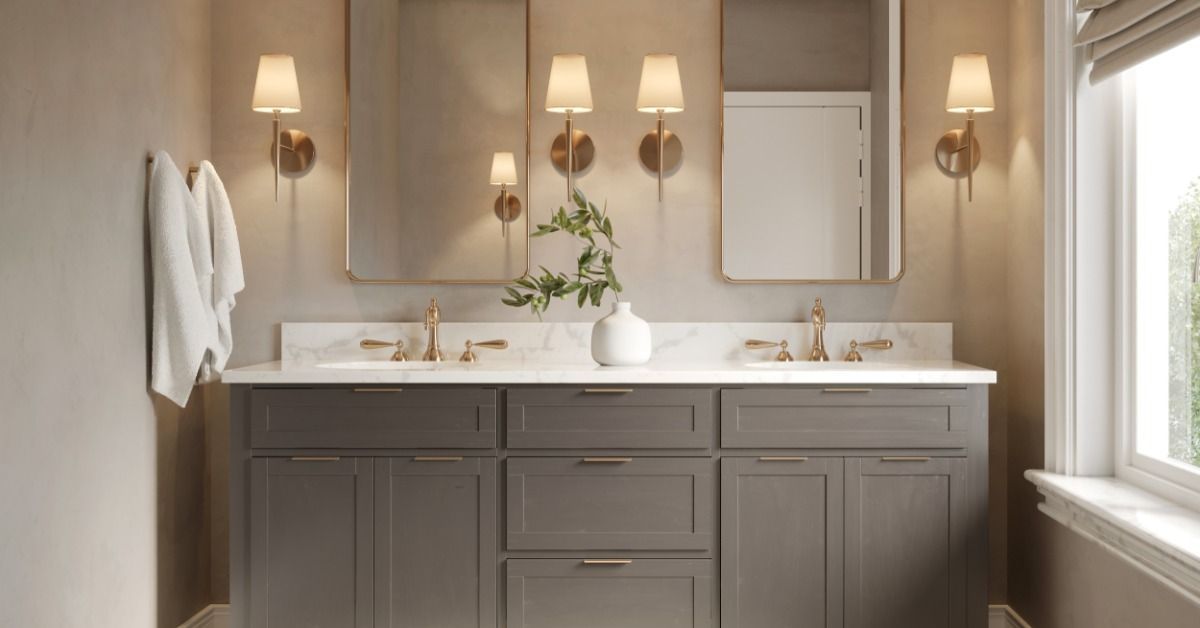
Design flexibility adds another layer of value. Polished granite creates a bold, classic look, while marble introduces a refined feel. Quartz supports a clean, modern aesthetic with consistent patterning. With so many options available, homeowners can find a surface that aligns with their vision without compromise.
Where Stone Excels in the Kitchen
Stone countertops perform well across the entire kitchen. From prep areas to high-traffic zones, the material holds up under pressure. It doesn’t dent like wood, and it maintains its finish even after years of use.
Cleaning also stays straightforward. A quick wipe with mild soap and water keeps the surface in good shape. Many homeowners appreciate that ease, especially in kitchens that see daily activity. Stone also supports resale value. Buyers tend to view natural stone or quartz as an upgrade, which can help a home stand out in the market.
Points to Consider With Stone
As you compare wood vs. stone countertops, identifying which works best in kitchens is important because they each of pros and cons. Stone is a stunning option, but it does come with a few trade-offs. The surface feels harder and cooler, which some people may not prefer for certain tasks.
Dropped dishes or glassware may break more easily compared to softer materials. Installation also requires professional support due to the weight and precision involved. That adds to the upfront cost, though it also contributes to a long-lasting result.
Wood vs. Stone: A Side-by-Side Look
When you compare wood and stone, the choice comes down to lifestyle, design goals, and maintenance preferences. Wood brings a warm, inviting appearance along with a comfortable prep surface and repair-friendly qualities. Stone delivers strong resistance to heat and wear, a wide range of patterns and colors, and minimal daily upkeep.
Some homeowners lean toward one material right away. Others find that a combination works best. A kitchen with both wood and stone can deliver the benefits of each without compromise.
Mixing Materials for a Custom Look
Many modern kitchens blend wood and stone to create a layered design. This approach allows each material to serve a specific purpose while contributing to the overall style. For example, some layouts feature stone perimeter countertops paired with a wood island, while others include wood accent sections alongside quartz workspaces. Marble surfaces can also sit next to butcher block prep areas to create contrast and visual interest. These combinations create depth without feeling disconnected and give homeowners more flexibility in how they use the space.
Finding the Right Fit for Your Kitchen
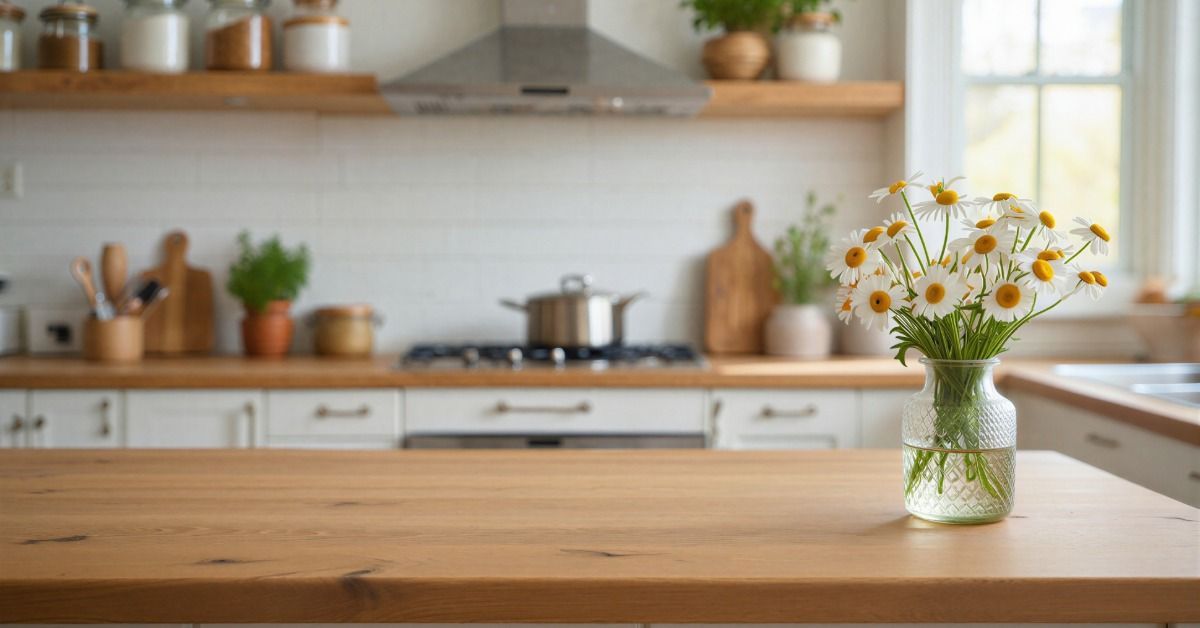
Your kitchen should reflect how you live, cook, and gather with others. A space that feels comfortable and functional will always outlast short-term trends. That’s why the decision between wood and stone deserves careful thought.
Think about how you use your kitchen each day. If you spend time baking or preparing meals by hand, wood may feel more natural. On the other hand, if you prefer a surface that handles heat and heavy use with little effort, stone will suit your routine better.
Design also plays a role. Wood introduces warmth and softness, while stone brings structure and visual depth. The right balance can elevate the entire space.
Take the Next Step Toward Your Ideal Kitchen
If you’re ready to move forward, now is the perfect time to explore your options in person. Seeing materials up close can help you narrow down your choice and feel confident about your decision. Connect with a local expert for stone countertops in Pittsburgh today. With the right support, your kitchen can come together in a way that feels natural, functional, and built to last.