Engineered vs. Natural Stone Countertops: The Pros and Cons
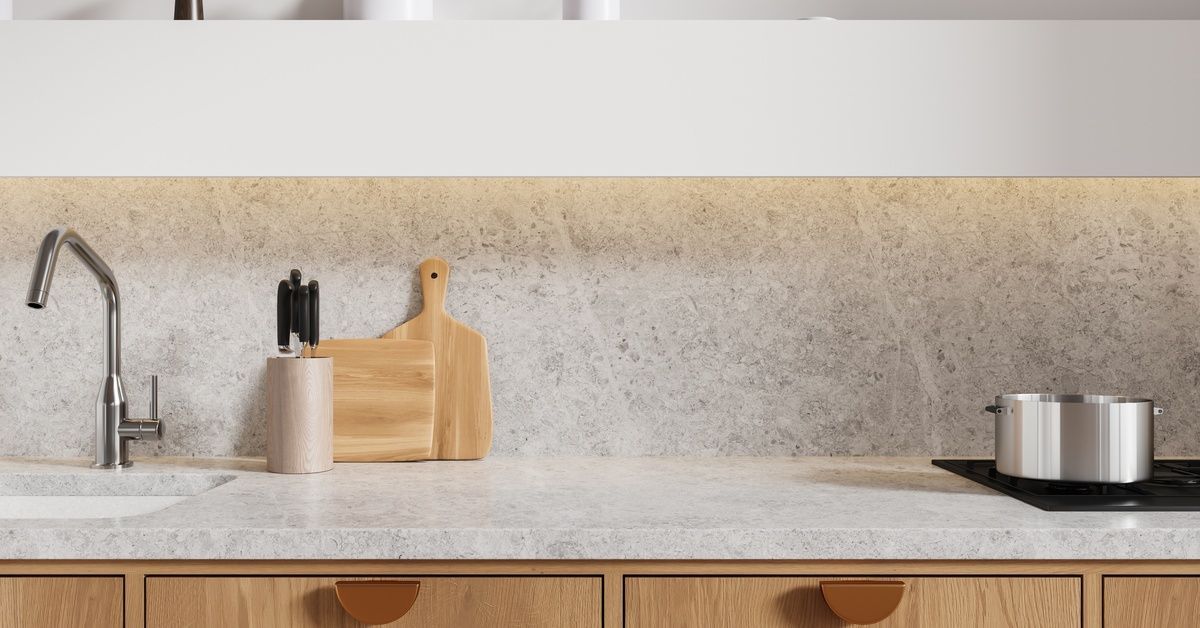
Choosing the right countertop is a big decision for any kitchen or bathroom remodel. It sets the tone for the entire space and needs to stand up to daily life.
Two popular choices include engineered stone and natural stone. They both offer beautiful and durable surfaces, but they have distinct differences. Check out our guide on engineered vs. natural stone countertops to help you figure out which one is the perfect fit for your home.
Natural Stone Countertops
Natural stone countertops are exactly what they sound like. They are slabs of stone quarried directly from the earth.
Each piece is a unique slice of geology, formed over millions of years. Common types include granite, marble, and slate, each with its own character and history.
After large blocks of stone are successfully extracted from a quarry, they're sliced into slabs.
These slabs are then carefully polished and cut to the specific dimensions of your kitchen or bathroom. The result is a one-of-a-kind surface that brings a piece of the natural world right into your home.
The Appeal of Natural Stone
The beauty of natural stone is undeniable.
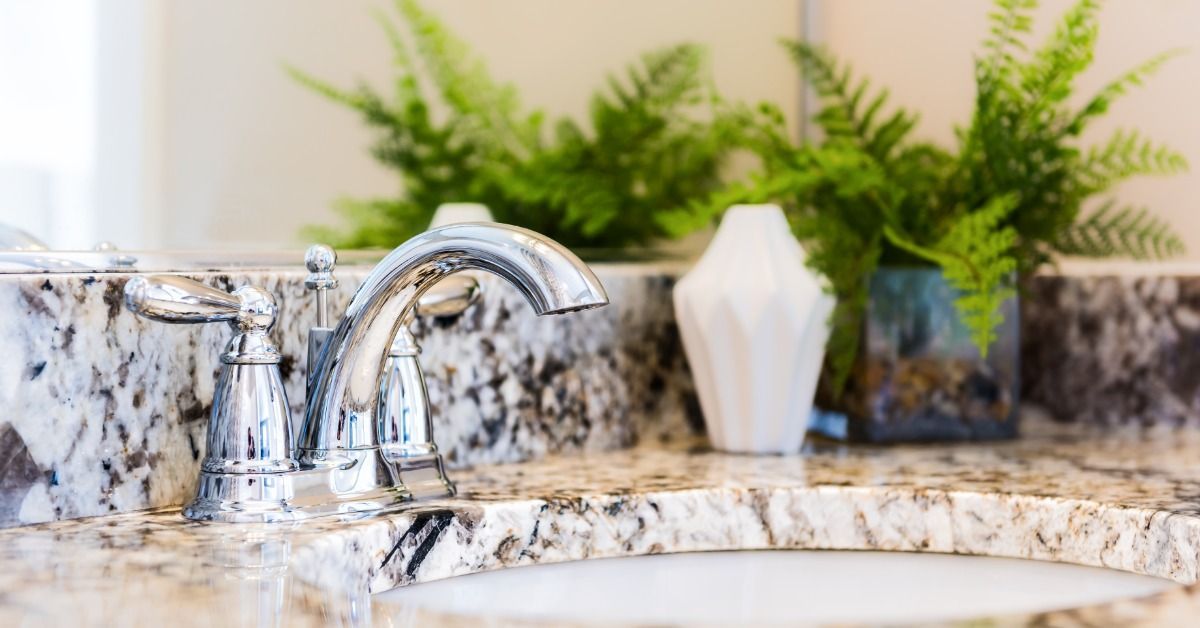
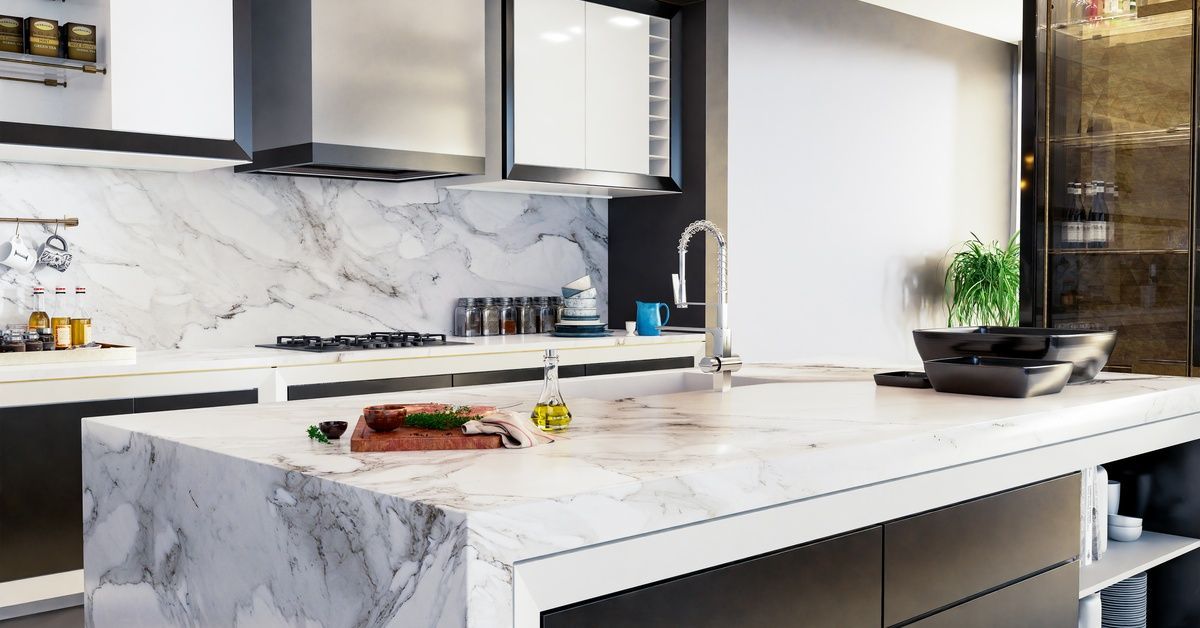
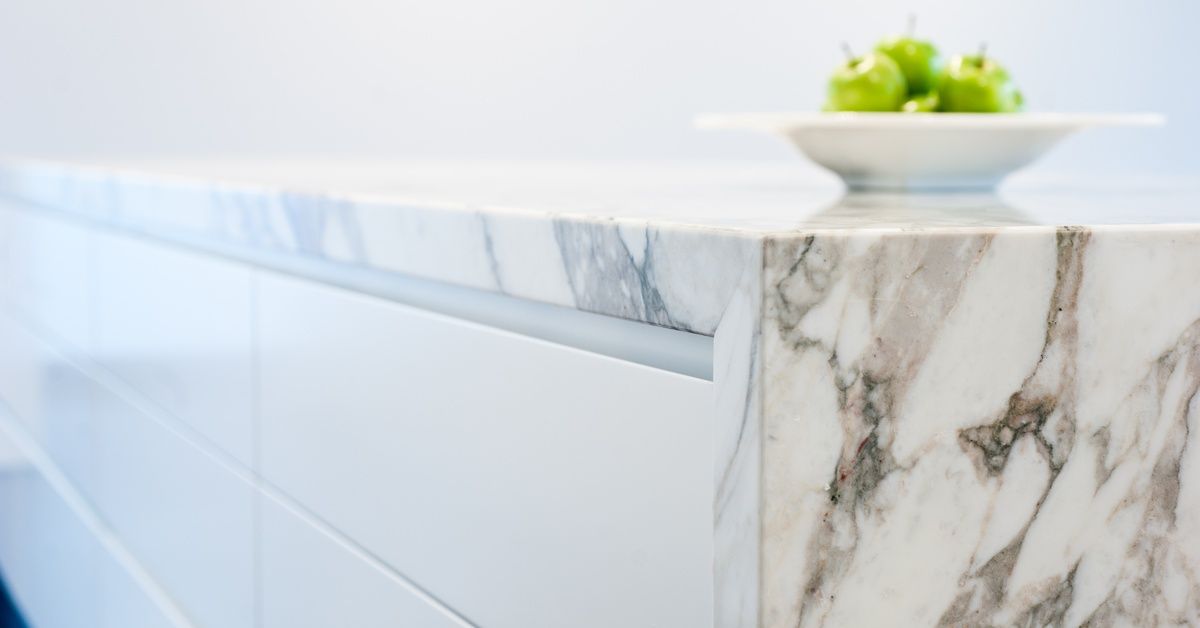
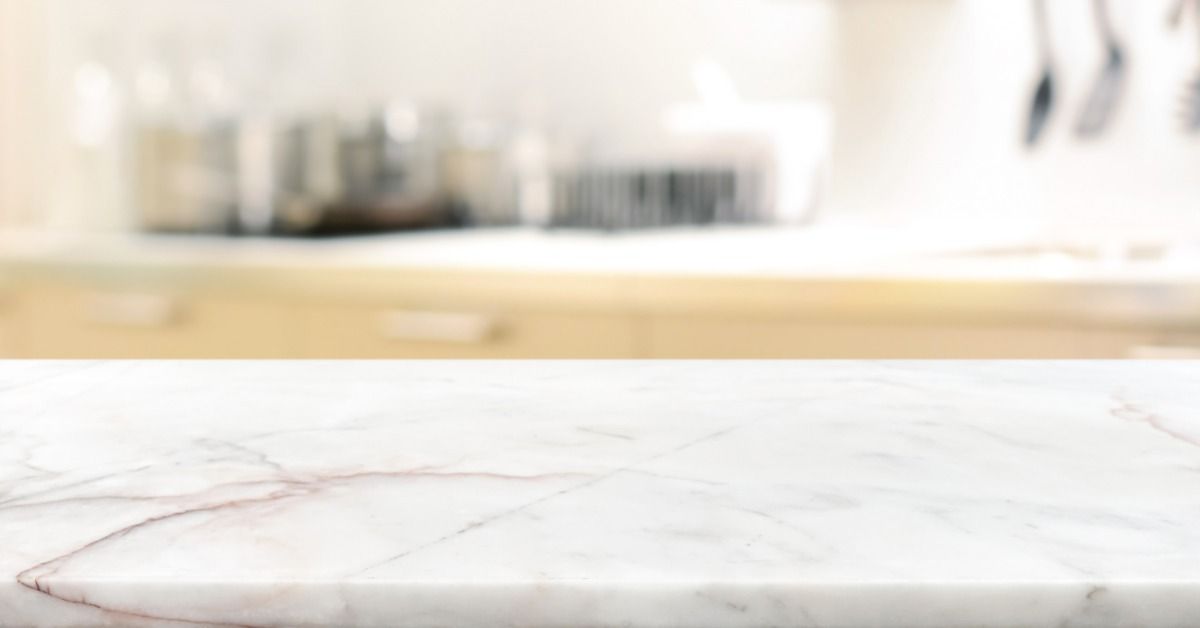
Since no two slabs are identical, your countertop will have a unique pattern of veins and specks. This natural variation adds an unmatched level of character and luxury to any room.
You get a truly bespoke piece that can't be fully replicated.
Natural stone is also incredibly durable. Granite, for example, is one of the hardest materials on earth, resistant to scratches and chips.
Most natural stones are also very heat-resistant. You can place a hot pan directly on a granite countertop without worry, a major plus for busy kitchens.
With proper care, these countertops can last a lifetime.
The Drawbacks of Natural Stone
This uniqueness and durability come at a price.
Natural stone is generally one of the more expensive countertop options. The cost of quarrying, transporting, and fabricating the stone all contribute to the higher price tag.
Natural stone also requires regular maintenance.
Most types, especially porous ones like marble, need to be periodically sealed to prevent stains. Spills like wine or oil must be quickly wiped up.
Without proper sealing, these materials can absorb liquids, leading to permanent discoloration. They can also be susceptible to scratching or etching from acidic substances.
Exploring Engineered Stone Countertops
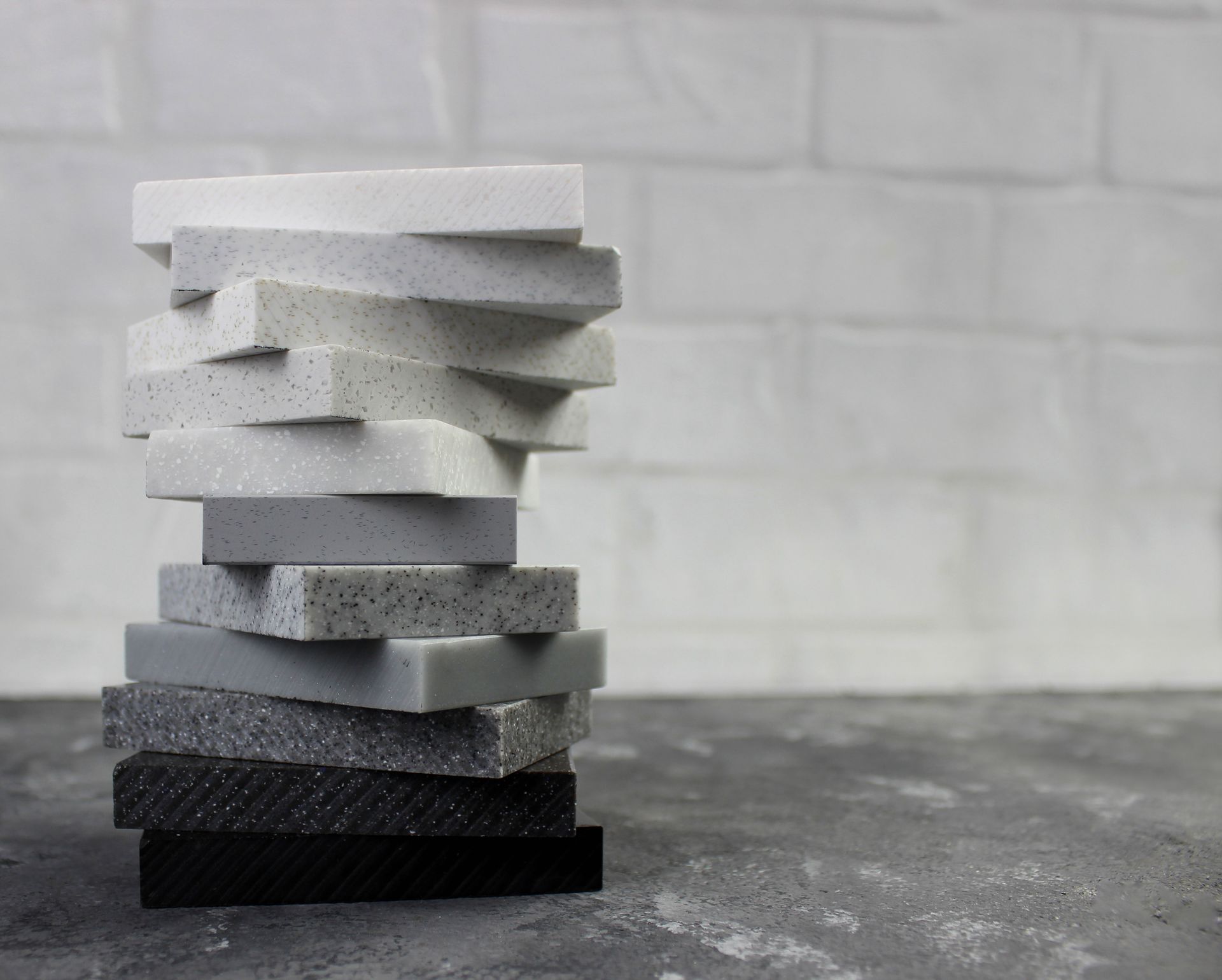
Engineered stone offers a manufactured alternative to natural stone.
The most common type is quartz, which is made from about 90% crushed natural quartz crystals mixed with resins, polymers, and pigments. This mixture is fully compacted into slabs and heated to create a hard, durable surface.
Solid surface is another example, made from acrylic or polyester resins.
The manufacturing process allows for a high degree of control over the final product. This means you can get a consistent color and pattern, which some homeowners prefer over the unpredictability of natural stone.
The Advantages of Engineered Stone
One of the biggest benefits of engineered stone is its low maintenance. Because it's non-porous, you never need to seal engineered stone.
It’s highly resistant to stains, scratches, and bacteria, making it an excellent choice for a family kitchen. Clean-up is simple, usually just requiring soap and water.
Engineered stone also provides incredible design flexibility.
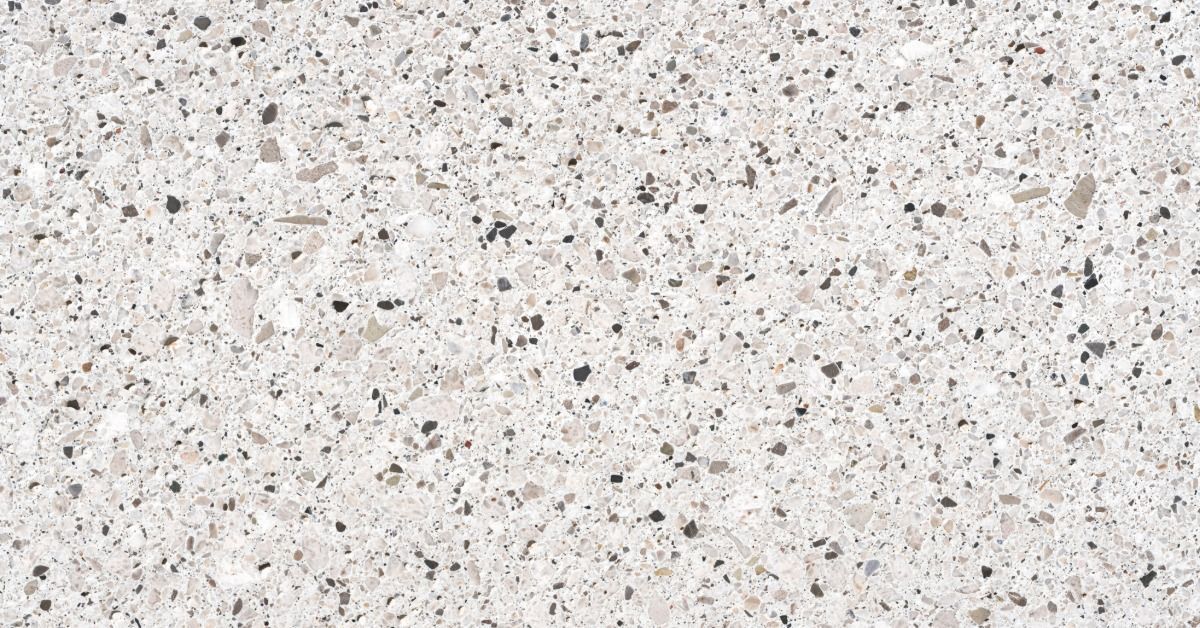
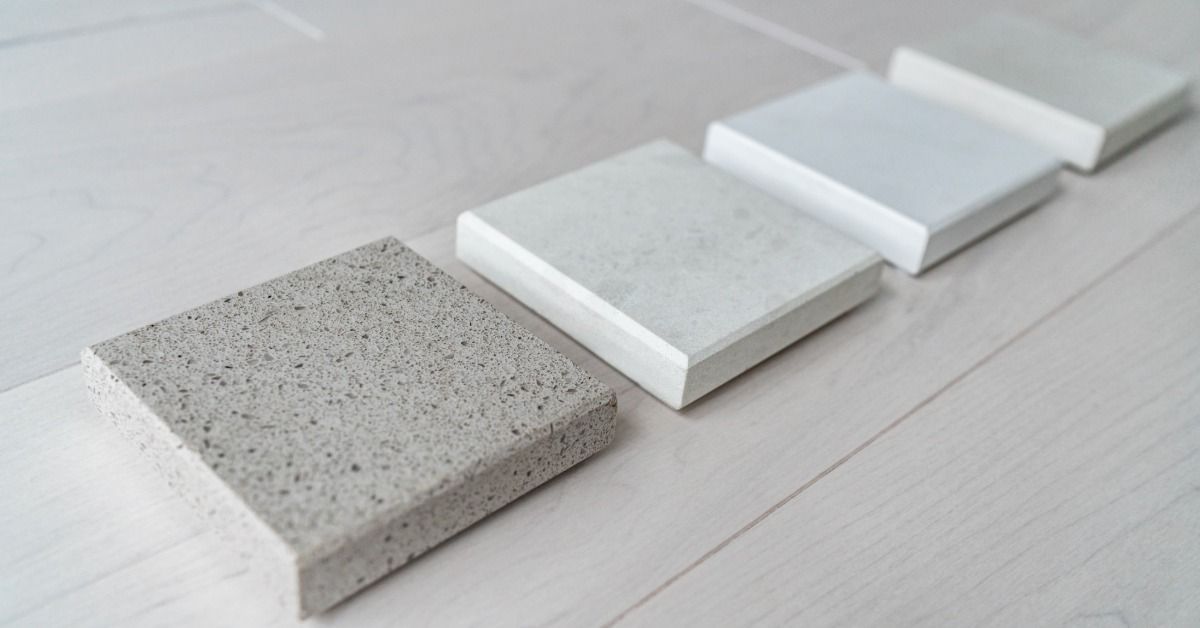
It's available in a vast array of colors and patterns, from solids that mimic concrete to designs that look very similar to natural marble or granite. This versatility makes it easy to find a countertop that perfectly matches your design vision.
It's also typically more affordable than high-end natural stone.
The Limitations of Engineered Stone
While engineered stone is durable, it's not as heat-resistant as some natural stones like granite. Placing a hot pot directly on a quartz countertop can cause discoloration or damage to the resin.
It’s always best to use trivets.
While technology has come a long way in mimicking natural patterns, a manufactured slab won't have the same one-of-a-kind veining as a piece of marble. Additionally, harsh chemicals or abrasive cleaners can damage the surface, so it's important to use the right cleaning products.
Maintenance Requirements
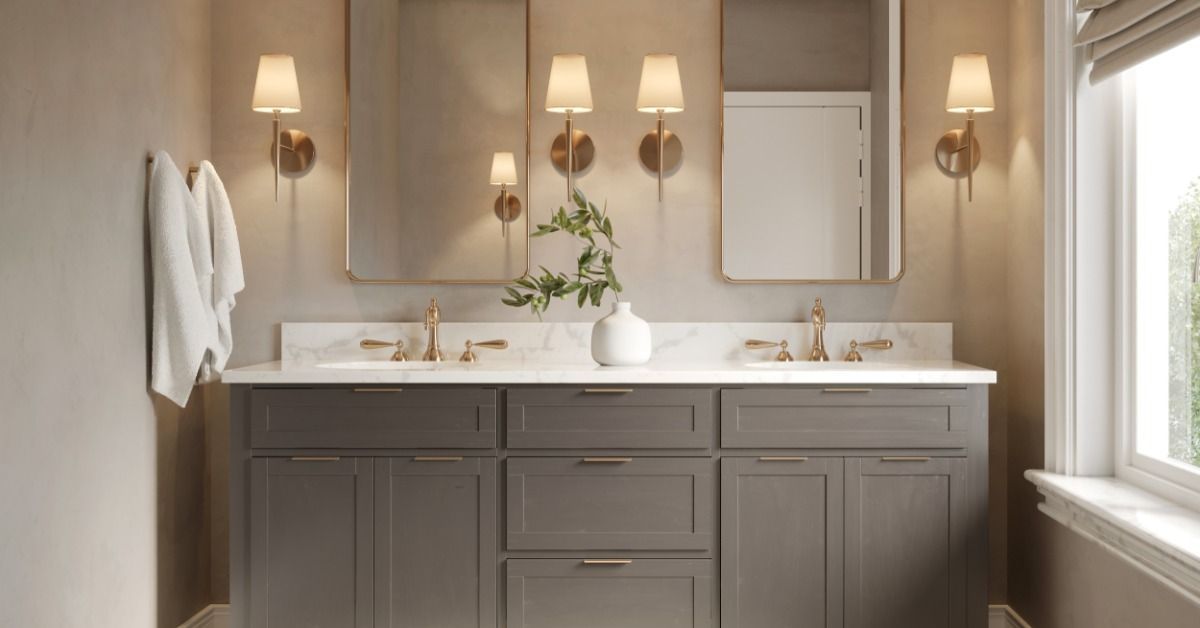
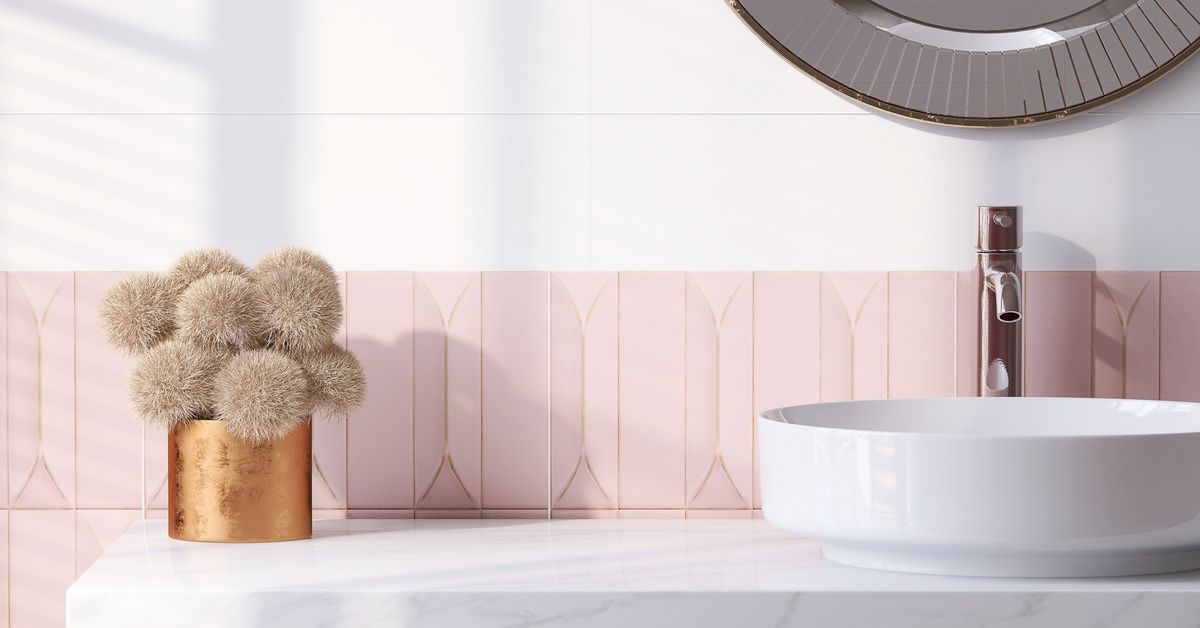
Settling on a countertop choice requires looking at more than quality. For example, the bathroom vanity countertops at Vangura are available in quartz and granite since both materials are beautiful and functional in their own ways.
When considering countertops, understanding the maintenance required is essential.
Natural stone countertops, such as granite or marble, require regular sealing to maintain their stain resistance and longevity, adding a recurring task to their upkeep. On the other hand, quartz countertops are virtually maintenance-free due to their non-porous nature, requiring only routine cleaning with soap and water.
For homeowners seeking low-maintenance solutions, quartz may be a more practical choice, whereas natural stone appeals to those willing to invest in some extra care for the sake of its unique appeal.
Sustainability and Eco-Friendliness
With increasing focus on environmentally conscious choices, the sustainability of countertop materials has become a key consideration.
Natural stone is a finite resource, but it’s also a natural material that can last a lifetime when well-maintained. To make an eco-friendly choice, consumers are always encouraged to research suppliers with sustainable practices, such as ethical quarrying or using recycled materials in quartz production.
Making Your Final Choice
Ultimately, the debate over engineered vs. natural stone countertops comes down to your personal priorities. Your lifestyle, budget, and design preferences will all play a part in your decision.
From understated minimalism to bold design statements, the aesthetic choice depends on personal preference and the desired ambiance of the space.
If you love the idea of a completely unique, natural work of art in your kitchen and don't mind a bit of maintenance, natural stone is an excellent choice. It’s a timeless investment that adds significant value and character to your home.
If you're looking for a low-maintenance, highly durable surface with a huge range of design options, engineered stone might be the way to go.
It offers a practical and stylish solution for busy households that want a consistent look. No matter which path you choose, both options provide a beautiful and long-lasting surface for your home.