Porcelain vs. Quartz for Kitchen Countertops
Designing your dream kitchen involves a million little choices that add up to a big result. You pick out cabinets, choose appliances, and select the perfect backsplash tile. Then comes the surface where you will chop vegetables, roll out cookie dough, and gather with friends.
It can feel overwhelming to choose between two top contenders when they both look so beautiful in the showroom. We want to help you make the right decision for your home right now.
You might feel torn between the classic appeal of stone and the sleek durability of modern materials. Both options bring unique strengths to the table, literally and figuratively. Let's dive deep into the battle of porcelain vs. quartz for kitchen countertops to see which one reigns supreme.
Understanding the Contenders
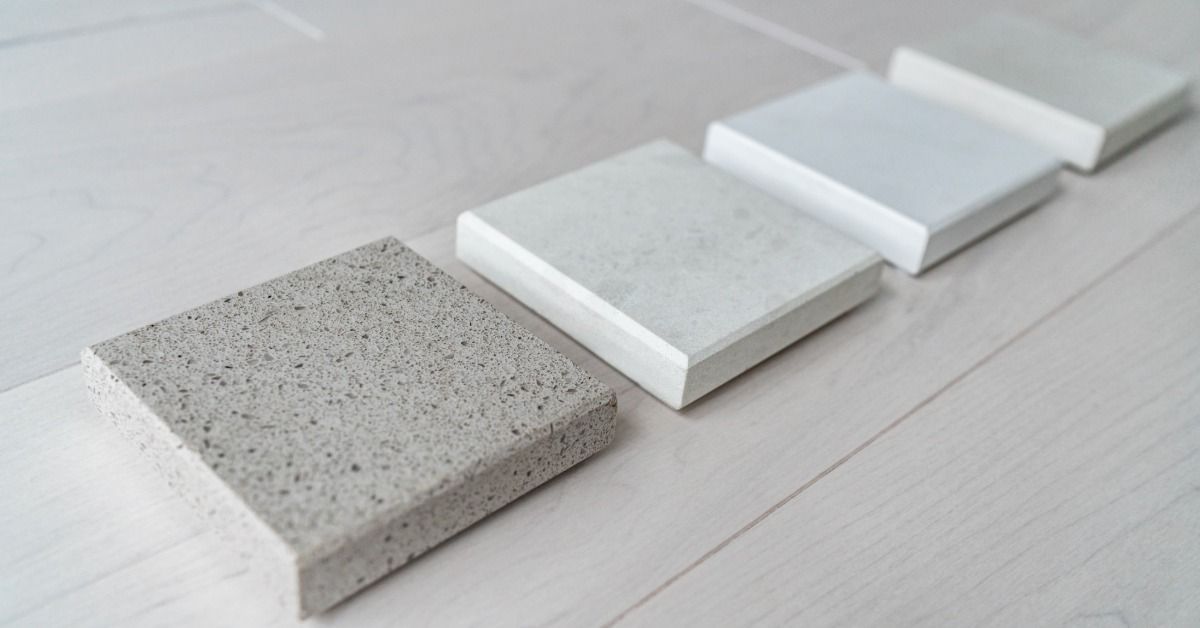
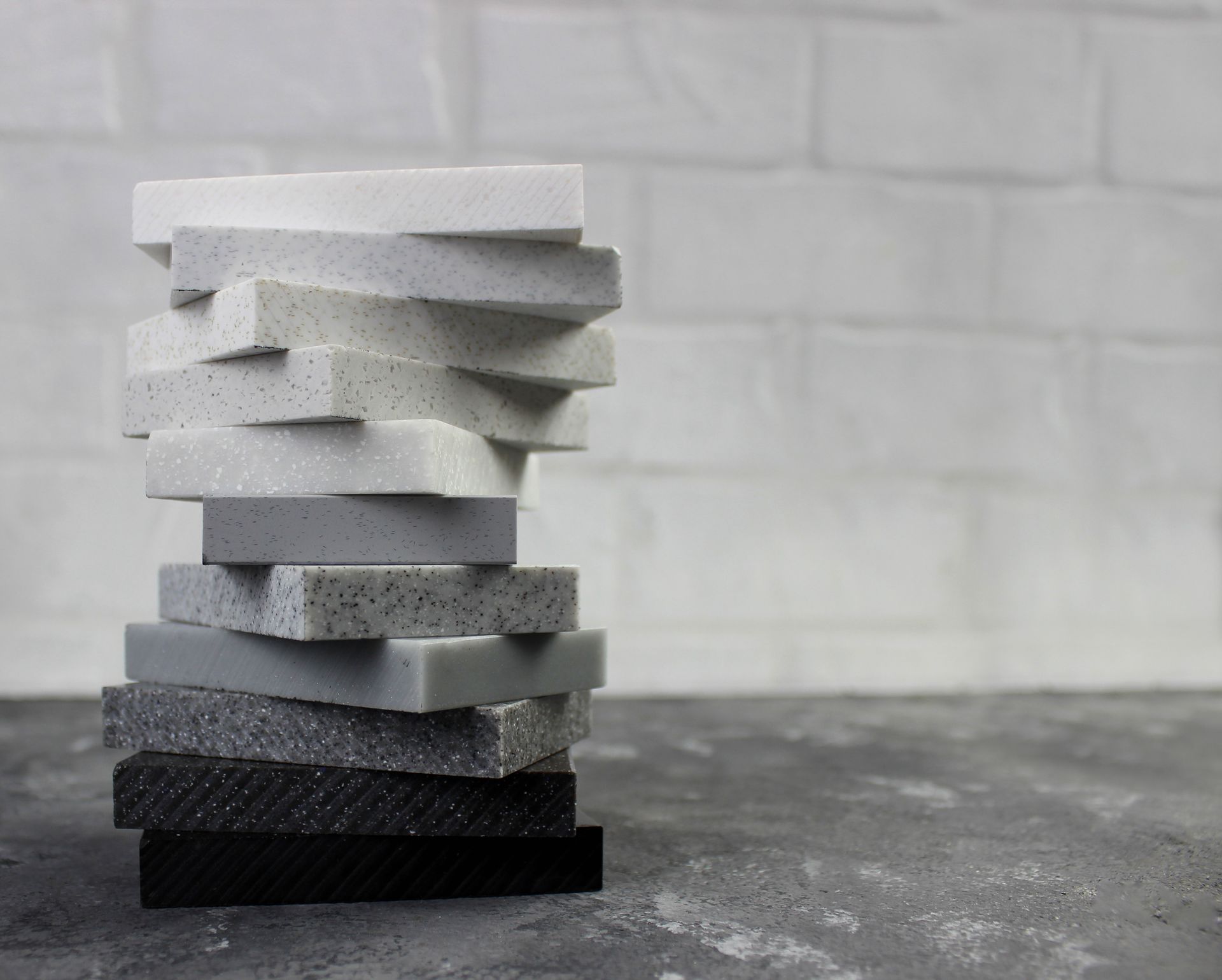
Before we compare them, we must understand what these materials actually are. Quartz countertops are brilliantly engineered stone products made from natural quartz crystals held together with resin binders. Manufacturers mix crushed stone with pigments to create specific colors and patterns. This process results in a slab that looks like stone but behaves a bit differently.
Porcelain countertops come from high-heat manufacturing processes similar to ceramic tile but on a larger scale. Creators fire a blend of china clay and other minerals at extreme temperatures to forge a dense, durable slab. The result is a surface that boasts incredible resistance to heat and scratches. It mimics natural stone, wood, or even concrete with high-definition printing technology.
The Durability Showdown
Kitchens see a lot of action, from hot pans to spilled wine. You need a surface that can handle the chaos of daily life without showing battle scars. Quartz has a reputation for being incredibly tough and resistant to chipping. The resin binder acts as a shock absorber, which gives the material some flexibility upon impact.
You should buy quartz counters if you want something that can handle impacts every day. However, this isn’t the only hazard your counters will interact with. So, what about heat?
Porcelain excels when it comes to heat resistance. You can place a hot pot directly from the stove onto a porcelain counter without fear. The material was born in fire, so a little heat from the oven won't faze it.
Quartz, on the other hand, can suffer from thermal shock or discoloration if exposed to extreme heat because of the resin. Scratch resistance is an area where these two materials both excel. Porcelain is harder than granite and very difficult to scratch with normal kitchen tools.
You could slice a lemon right on the surface, though we always recommend a cutting board to save your knife blades. However, quartz is also scratch-resistant. So, if you prefer the look of quartz but are worried about scratches, you can worry less knowing you won’t have to compromise your design preferences.
Stains and Spills
Life happens, and sometimes that means a glass of red wine tips over during a dinner party. Porosity determines how much liquid a material absorbs. Both quartz and porcelain are non-porous surfaces, which is great news for homeowners. This means neither material requires sealing to keep liquids out.
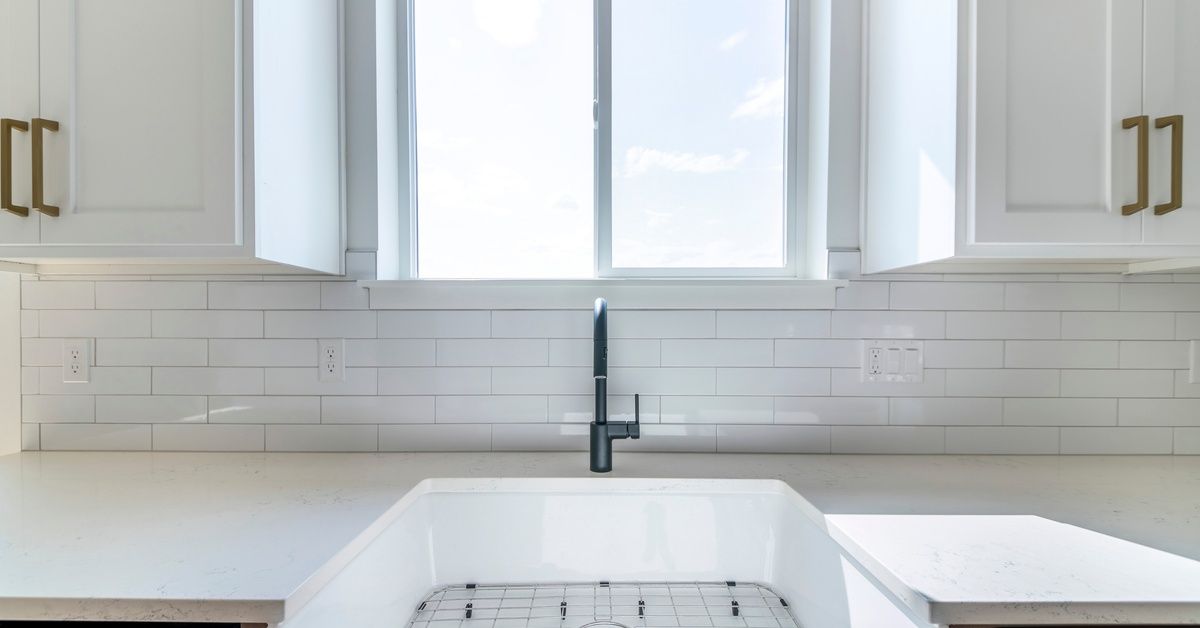
You can wipe up spills easily on both surfaces without worrying about permanent stains. Oils, acids, and wine sit on top of the surface rather than soaking in. This feature makes cleanup a breeze for busy families. Just grab a damp cloth and wipe the mess away.
Aesthetics and Design Options
Appearance drives many renovation decisions. Quartz offers a depth and consistency that appeals to many designers. The manufacturing process allows for uniform patterns throughout the slab.
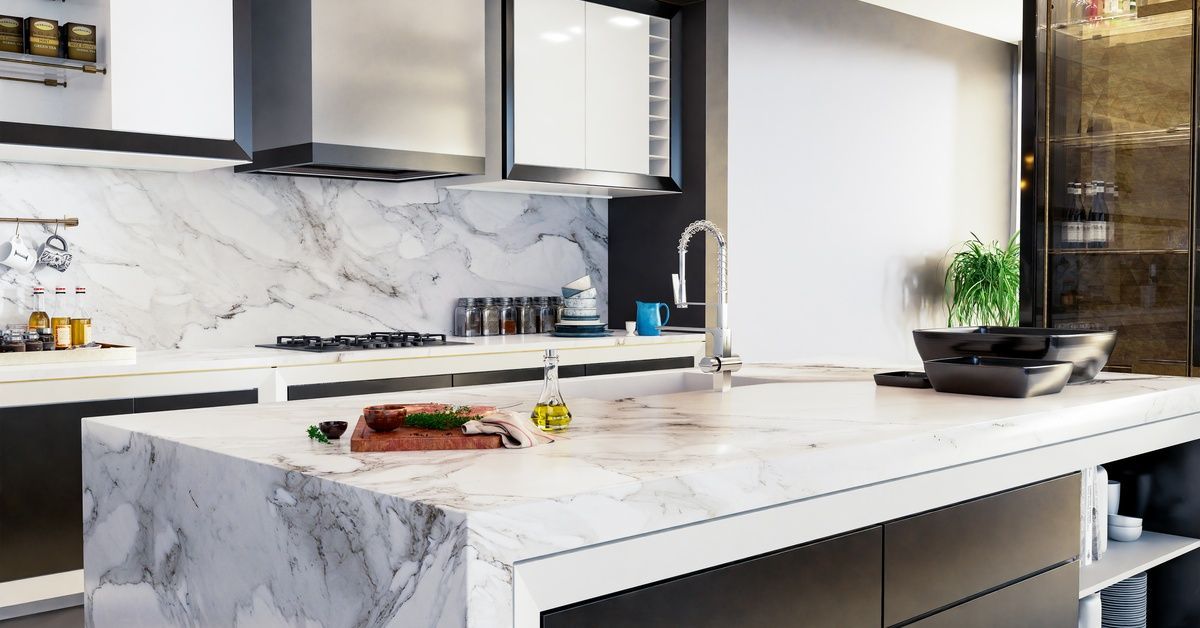
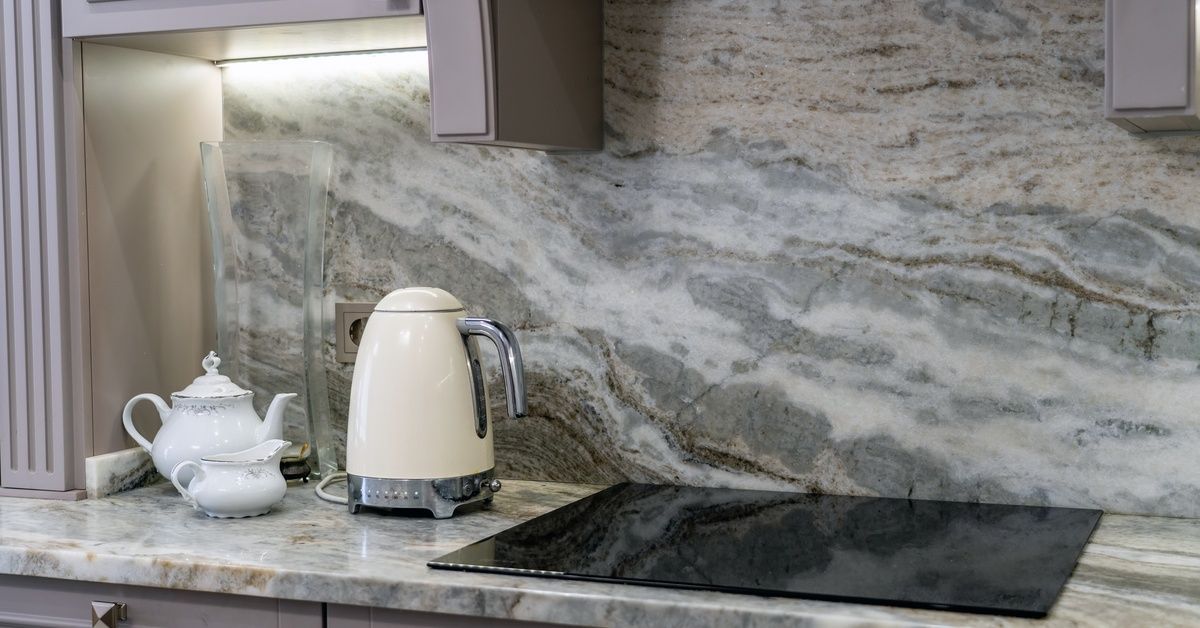
You know exactly what you will get, which makes matching seams much easier. Porcelain uses high-tech printing to achieve its look. The design is directly printed on the surface, which allows for hyper-realistic imitations of marble, wood, or industrial steel.
Installation Realities
The installation process reveals some major differences between these two materials. Quartz is heavy and dense, but it is easier for fabricators to cut and install. Professionals have successfully worked with it for decades and have the tools to handle it confidently.
Porcelain is lighter but more brittle during the fabrication process. Cutting it requires specialized blades and experienced hands to prevent cracking or chipping. Finding a fabricator who specializes in porcelain is necessary for a successful project. An inexperienced installer might damage the slab before it even reaches your cabinets.
Maintenance and Care
Nobody wants a countertop that acts like a diva. You want a surface that looks good with minimal effort. Both materials are low maintenance compared to natural stones like marble or granite. You can say goodbye to annual sealing appointments.
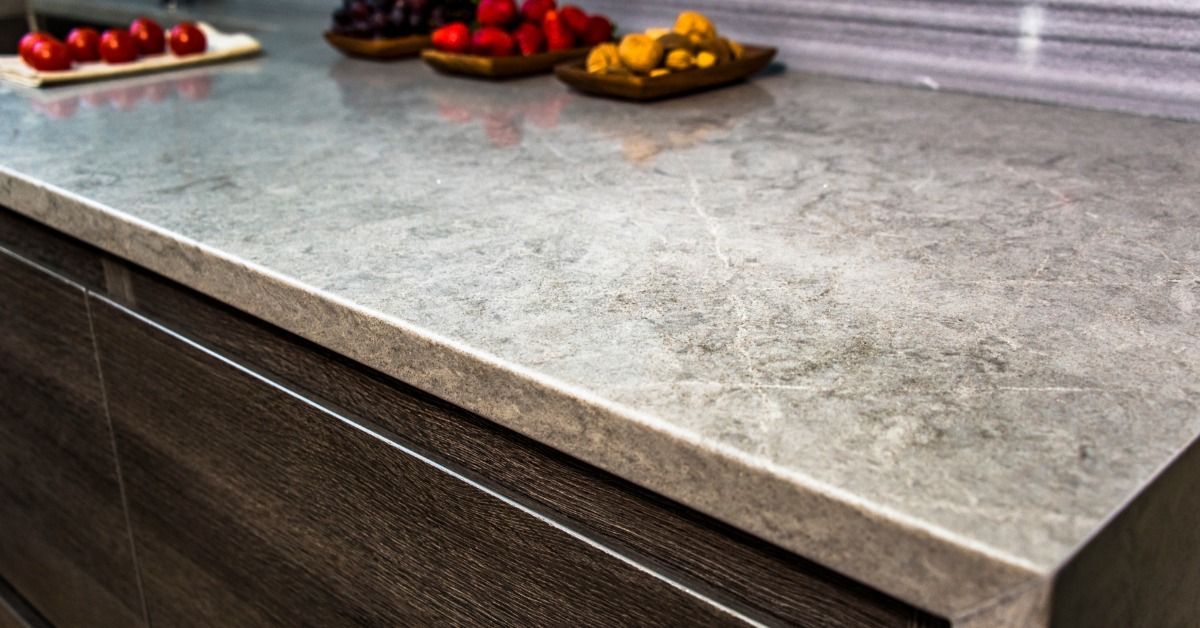
One thing to watch with porcelain is the edge. Because the material is so hard, a heavy impact on a square edge could cause a chip. Using a rounded or beveled edge profile helps mitigate this risk significantly. Quartz edges are sturdier and less prone to chipping from accidental knocks.
Narrowing Your Choices
Look at your lifestyle honestly. Do you love to cook with high heat and hate searching for trivets? Porcelain might be your best friend. Do you have active kids who might bang pots against the counter edges? Quartz could offer the forgiveness you need.
Consider where the countertop will live. If you are designing an outdoor BBQ station, porcelain is the clear winner for its UV stability. For a busy family bathroom, quartz offers durability and impact resistance.
Think about the look you want. If you crave the look of ultra-thin, European-style surfaces, porcelain delivers that aesthetic. If you prefer the classic, substantial look of stone, quartz fits the bill.
Finalize Your Selection
There is no wrong answer here. Both materials offer incredible performance that far exceeds older laminate or tile options. Your kitchen will look stunning regardless of which path you choose.
We hope this comparison of porcelain vs. quartz for kitchen countertops clarifies the decision for you. It all comes down to what features matter most for your specific household. Contact us now to view samples and start planning your perfect kitchen renovation.