Can You Protect Your Countertops From Scratches and Stains?
Your beautiful countertops are the centerpiece of your kitchen and bathroom spaces, but daily use can take its toll. From morning coffee prep to evening meal cleanup, these surfaces endure constant contact with everything.
The good news is that with the right knowledge and approach, you can keep your countertops looking pristine for years.
Let’s explore how you can protect your countertops from scratches and stains with ease.
Understanding Common Countertop Enemies
Even heat-resistant materials like granite can suffer from thermal shock when exposed to extreme temperature changes. Thermal shock occurs when two materials of vastly different temperatures interact with each other, causing them to deteriorate.
This will cause stress in the material that weakens it, especially if the situation happens more than once. Be mindful of the temperature of plates and other items before placing them on the countertop.
Basic heat damage won’t be a worry, but thermal shock can crack your countertop surface.
Acidic substances pose another significant threat to your countertops. Lemon juice, vinegar, wine, and even some cleaning products can etch into natural stone surfaces, creating dull spots or permanent stains.
These reactions happen quickly, sometimes within minutes of contact, making immediate cleanup essential.
Sharp Objects & Standing Liquids
Sharp objects create scratches that not only mar the surface appearance but also create grooves where bacteria and stains can settle. Metal utensils and even rough-bottomed dishes can leave lasting marks if you're not careful about how you use your countertop workspace.
It all comes down to where your countertop materials falls on the Mohs scale. Simply put, this scale is for measuring how susceptible to scratches a materials is when compared to other materials.
For example, granite ranks at around a 6 or 7 on the Mohs scale. On the other hand, knives are only a 5 on the Mohs scale, meaning they would not scratch granite.
Since marble ranks around a 3 or 4 on the Mohs scale, knives do pose a scratching hazard.
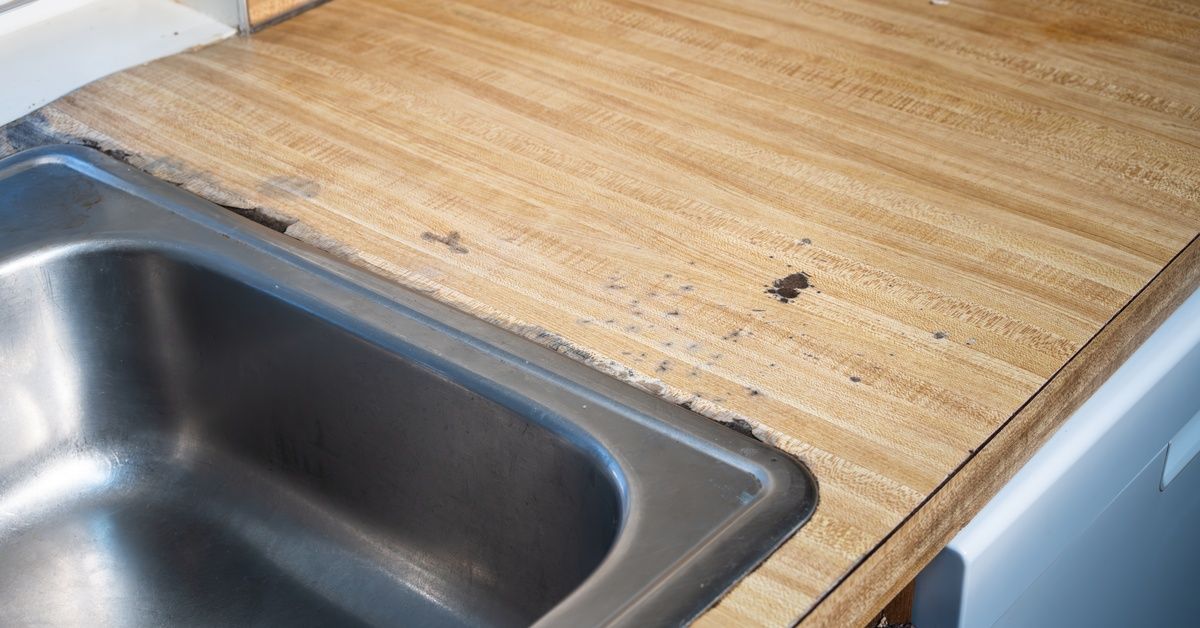
Standing liquids present a more subtle but equally damaging threat. Water rings, oil stains, and spilled beverages can penetrate porous surfaces over time, creating permanent discoloration that's difficult or impossible to remove without professional intervention.
Coasters and trivets serve as your first line of defense against thermal shock and moisture damage. Place them strategically around your workspace before you start cooking, and make it a habit to use them for everything from coffee mugs to serving dishes.
This small step prevents thermal shock damage and water stains from forming.
Choosing Solutions & Addressing Spills
When cleaning your countertops, choose pH-neutral cleaners specifically designed for your surface type. Harsh chemicals can break down protective sealants over time, leaving your countertop vulnerable to stains and etching. Microfiber cloths work better than paper towels or rough sponges, which can create tiny scratches that accumulate over time.
Immediate cleanup of spills makes an enormous difference in preventing permanent damage. Keep absorbent cloths nearby and address accidents as soon as they happen. For sticky or stubborn spills, let warm water loosen the residue rather than scraping with metal tools that might scratch the surface.
Deeper Protection with Sealants and Coatings
Natural stone countertops benefit tremendously from DIY sealants, that which create a protective barrier against stains and moisture penetration. These sealants don't make your countertop completely stain-proof, but they do provide crucial time to clean up spills before permanent damage occurs.
DIY options are particularly useful for their water-based design. Professional-grade sealants feature highly chemical solutions that are not ideal for stone countertops. With regular DIY sealing, you won’t have to worry about professional protective coatings whatsoever.
The frequency of sealing depends on your countertop material and usage patterns. Marble typically needs sealing every six to twelve months due to its porous nature, while granite can often go one to two years between applications.
This investment pays off through extended countertop life and reduced maintenance needs.
The Role of Professional Cleaning Services
Professional countertop cleaning goes beyond what household products can achieve, using specialized equipment and techniques to remove deep stains and restore the original luster to your surfaces.
These services can address issues that seem permanent, such as etching from acidic spills or embedded stains from cooking oils.
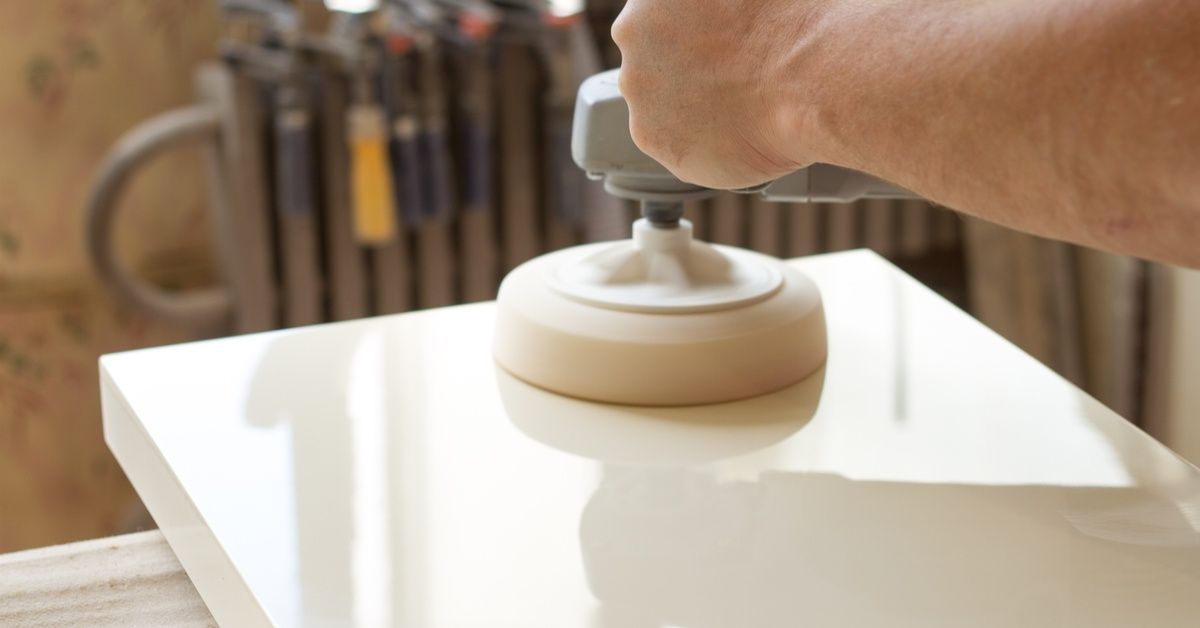
Regular professional maintenance helps identify potential problems early enough to easily resolve them. Trained technicians can spot signs of sealant failure, minor chips that might expand, or cleaning practices that could be damaging your countertops over time.
Professional restoration services can often repair scratches, chips, and stains that would otherwise require countertop replacement.
The investment in professional services often proves cost-effective when compared to premature countertop replacement. Regular maintenance extends the life of your surfaces while keeping them looking their best throughout years of daily use.
Choosing Strong Countertop Materials
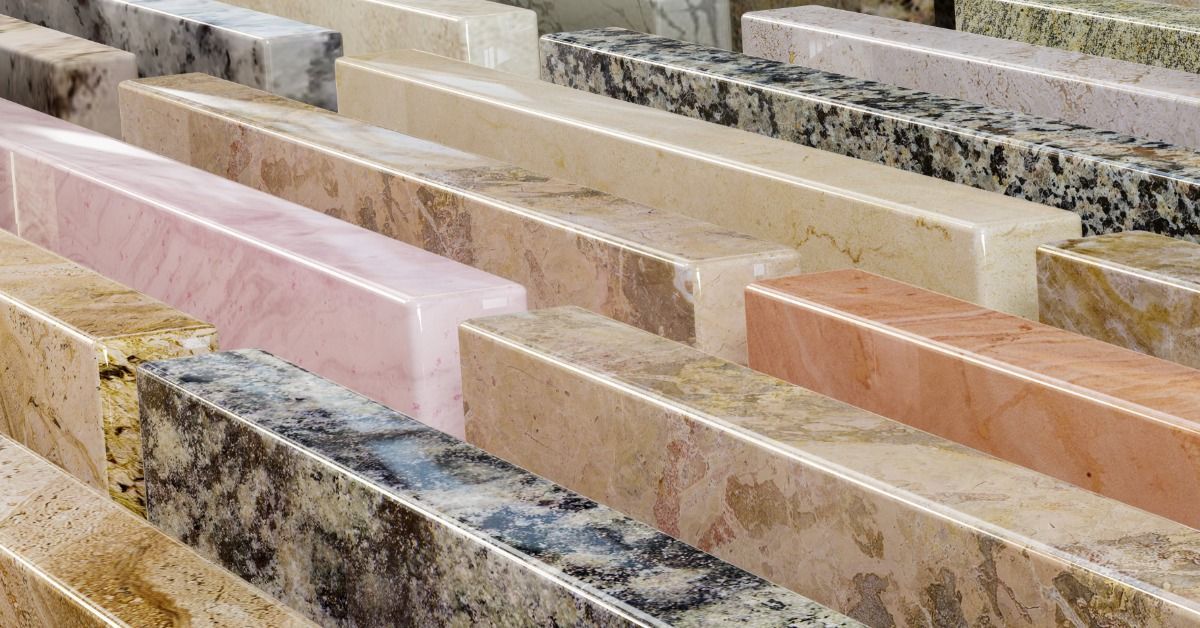
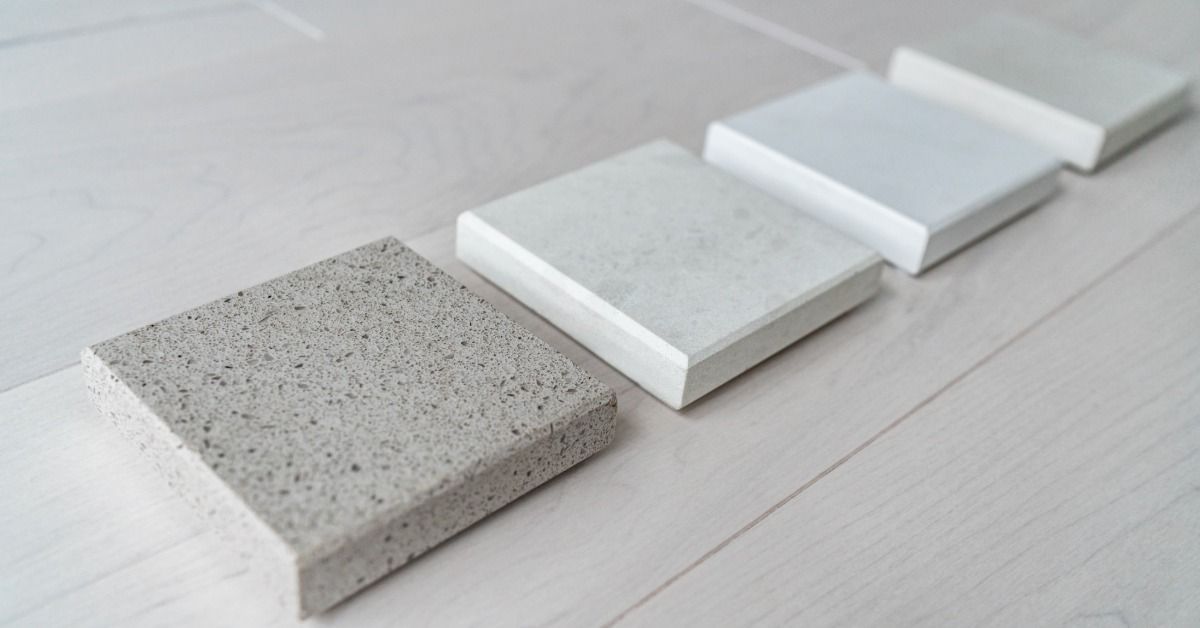
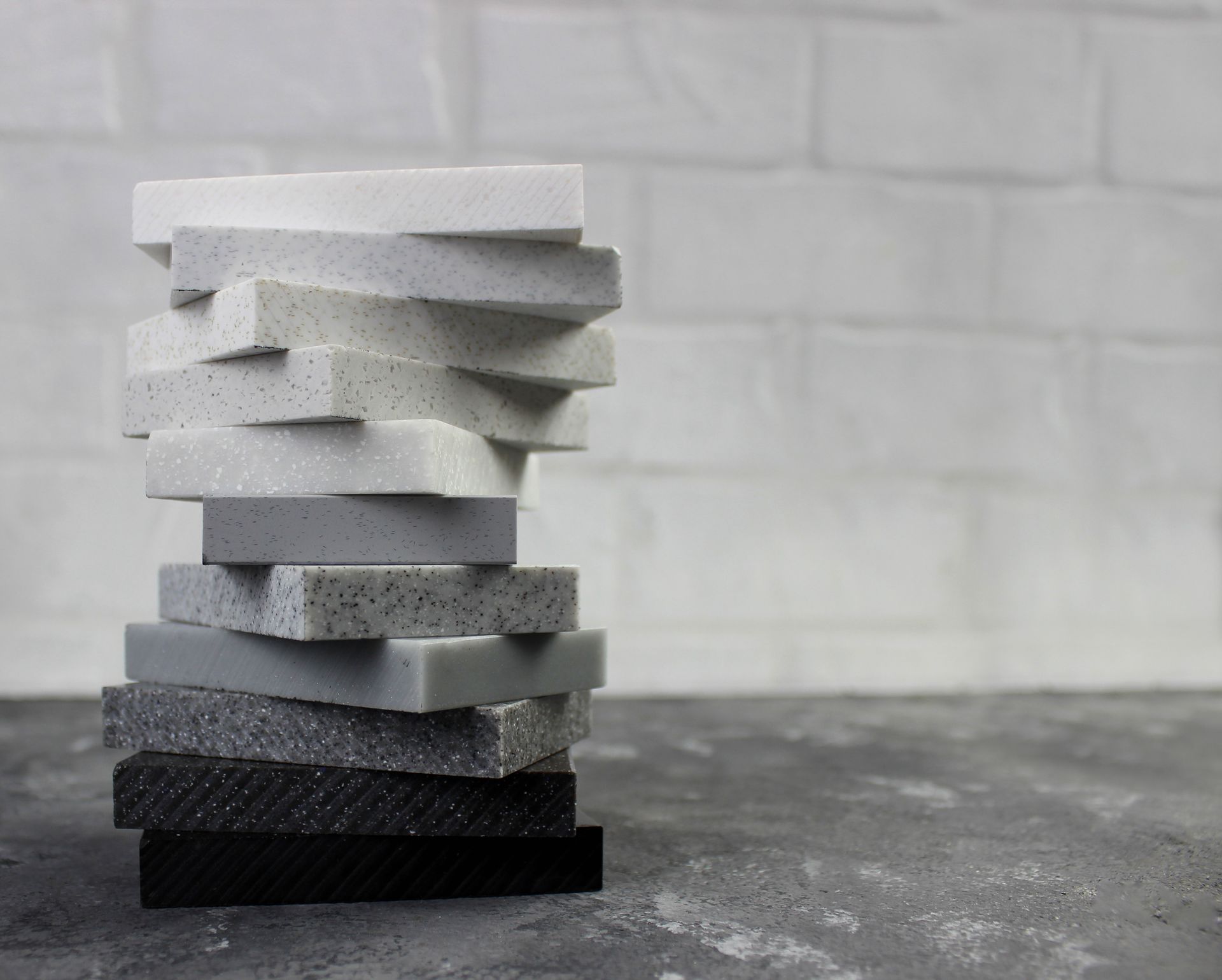
One of the most effective ways to prevent scratches and stains is by selecting durable countertop materials from the start. Materials such as quartz, granite, and solid surface options showcase resilience and long-lasting performance.
Quartz, for instance, is non-porous and highly resistant to staining, making it a low-maintenance choice for busy households.
Another reliable solution is a granite counter for your home. Granite, while slightly more porous, offers exceptional hardness and can be sealed to enhance its stain resistance.
Solid surfaces provide seamless finishes and are relatively easy to repair if minor damage occurs. When selecting a countertop material, consider your lifestyle, the level of maintenance you're prepared to commit to, and the material's ability to withstand everyday wear and tear.
Enjoying Your Protected Countertops
With proper protection measures in place, you can use your countertops confidently while maintaining their beauty and functionality. Some materials are more durable than others when it comes to scratches and stains, so choose countertops you can rely on every single day.
Your stunning countertops can remain the showpiece of your kitchen or bathroom for decades with the right care approach.
Take pride in maintaining these important elements of your home, and don't hesitate to seek professional guidance when questions arise. Expert advice tailored to your specific countertop material and lifestyle ensures you're getting the most from your protection efforts.