What Is a Mitered Edge & Why Is It Important for Counters?
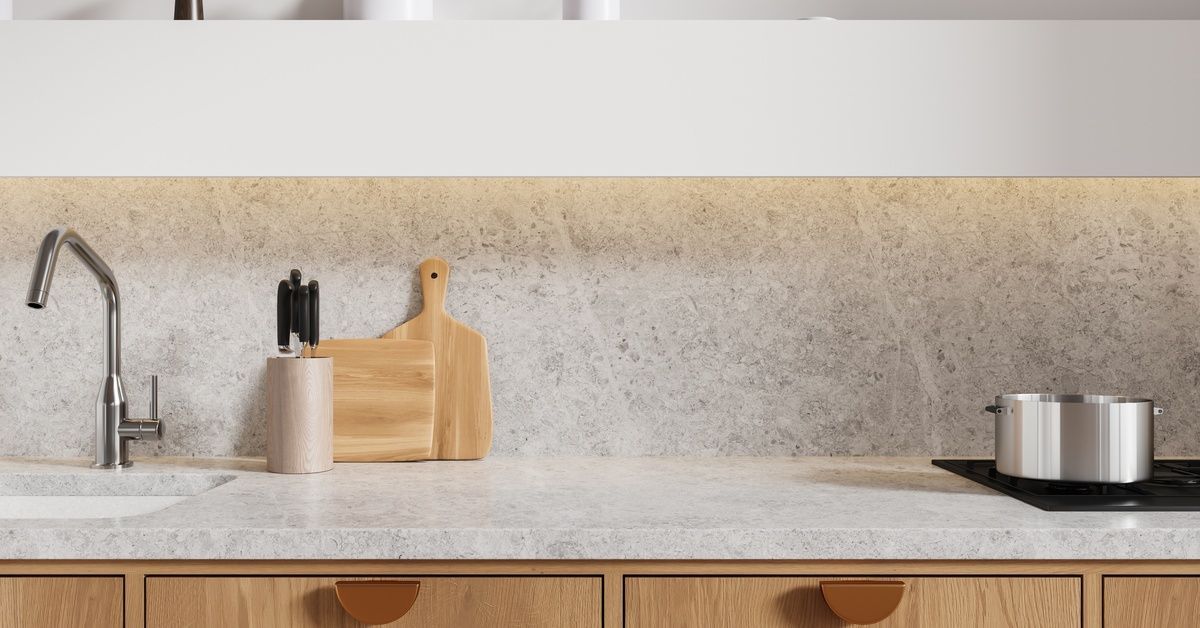
Kitchen renovations come down to the details. Cabinet style plays a role. Hardware adds personality. Countertops, though, carry the most visual weight in the room.
For instance, what is a mitered edge, and why is it important for counters? Don’t worry; we’ll break down the answer for you so you can maximize the visual weight of countertops in any home. If you’re planning a kitchen or bathroom upgrade, take a closer look at this edge profile and picture how it could elevate your space.
What Is a Mitered Edge?
A countertop edge frames the entire slab. It influences thickness, scale, and how bold the surface feels once installed. Some profiles stay subtle and quiet. Others create a strong architectural statement. A mitered edge falls into the second category.
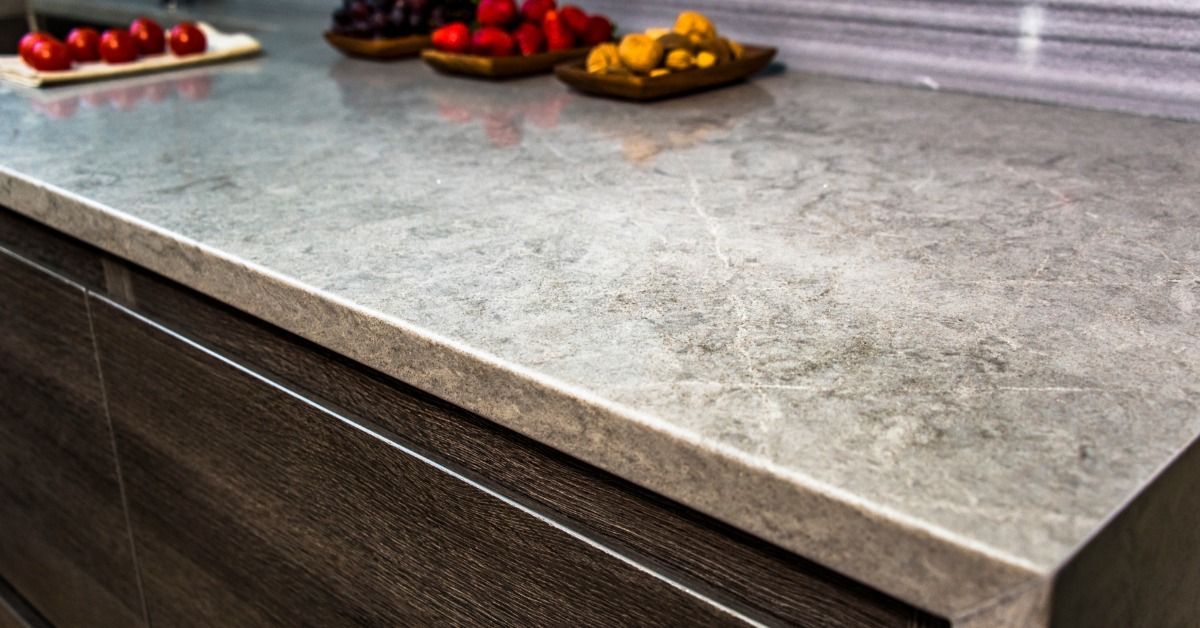
A mitered edge creates the appearance of a thicker countertop without requiring a full thick slab throughout. Fabricators cut the material at a 45-degree angle and bond two pieces together to form a crisp corner. From the front, the seam blends into the stone’s pattern. The finished edge looks solid and substantial.
Take a standard 3cm quartz slab as an example. On its own, it delivers a clean, modern line. With a mitered edge applied, that same slab can appear 3 to 5 inches thick. That added depth changes how the countertop reads in the room.
The technique also allows veining or movement in the stone to flow over the edge. When aligned carefully, the pattern appears to fold downward. This detail gives the surface a sculpted, high-end presence.
Why Thickness Has Such a Strong Visual Impact
Thickness affects perception immediately. A slim edge leans sleek and contemporary. A thicker profile introduces weight and structure.
In many homes, kitchens open into living and dining areas. The island becomes the anchor of the entire layout. A mitered edge reinforces that anchor visually.
Instead of looking like a flat surface resting on cabinetry, the countertop feels more like a furniture piece. The depth adds authority to the design. In homes with higher ceilings or wide-open floor plans, that visual strength balances the scale of the space.
A Natural Fit for Modern and Transitional Styles
Clean lines define modern kitchens. Flat-panel cabinets, minimal hardware, and streamlined layouts dominate these spaces. A mitered edge supports that aesthetic with its sharp, angular profile.
Transitional kitchens benefit as well. Traditional cabinet doors paired with a bold countertop edge create contrast that feels intentional. The room maintains warmth yet gains a contemporary layer.
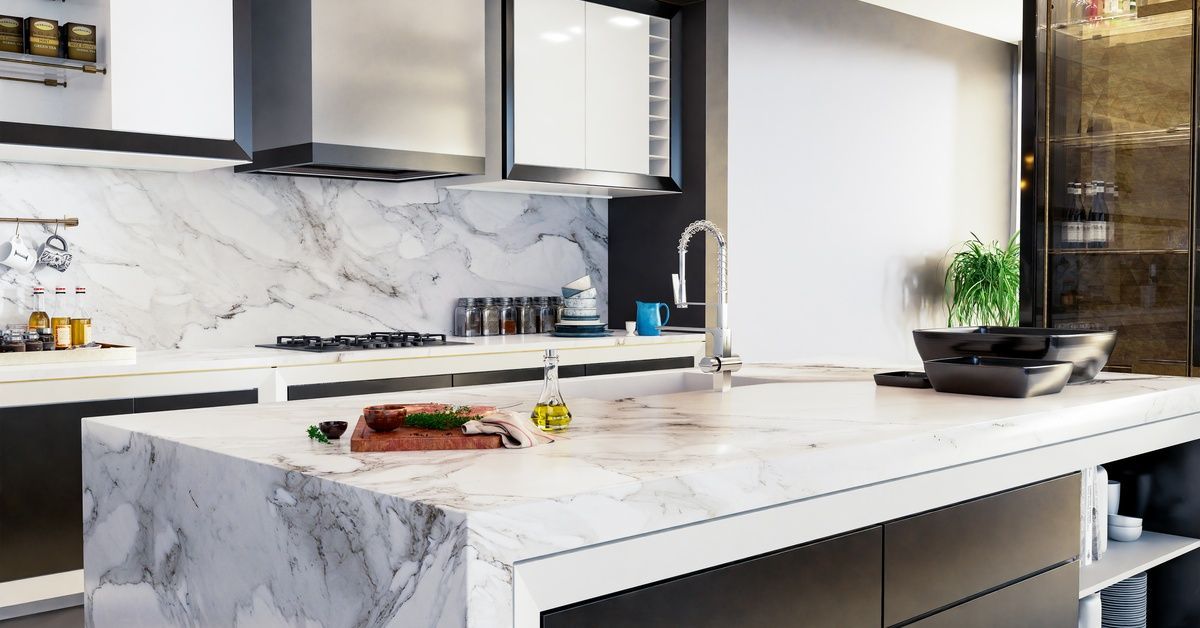
This edge style also pairs beautifully with waterfall islands. When the slab continues down the side panels, the added thickness enhances the dramatic drop. The stone appears monolithic rather than layered.
Material Options and Fabrication Precision
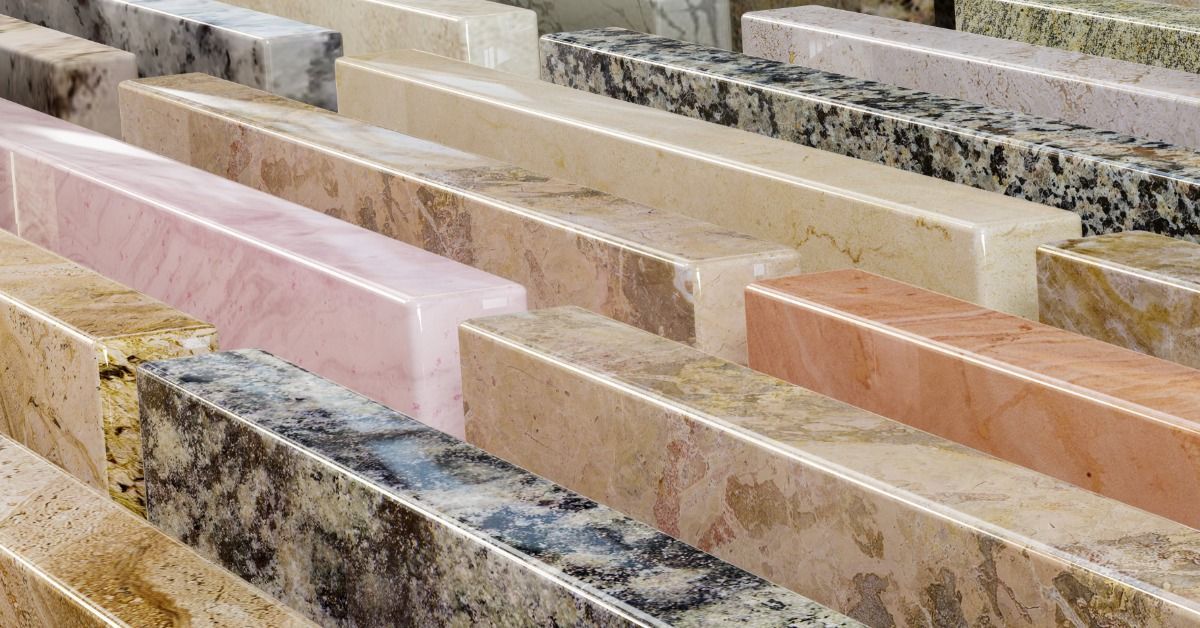
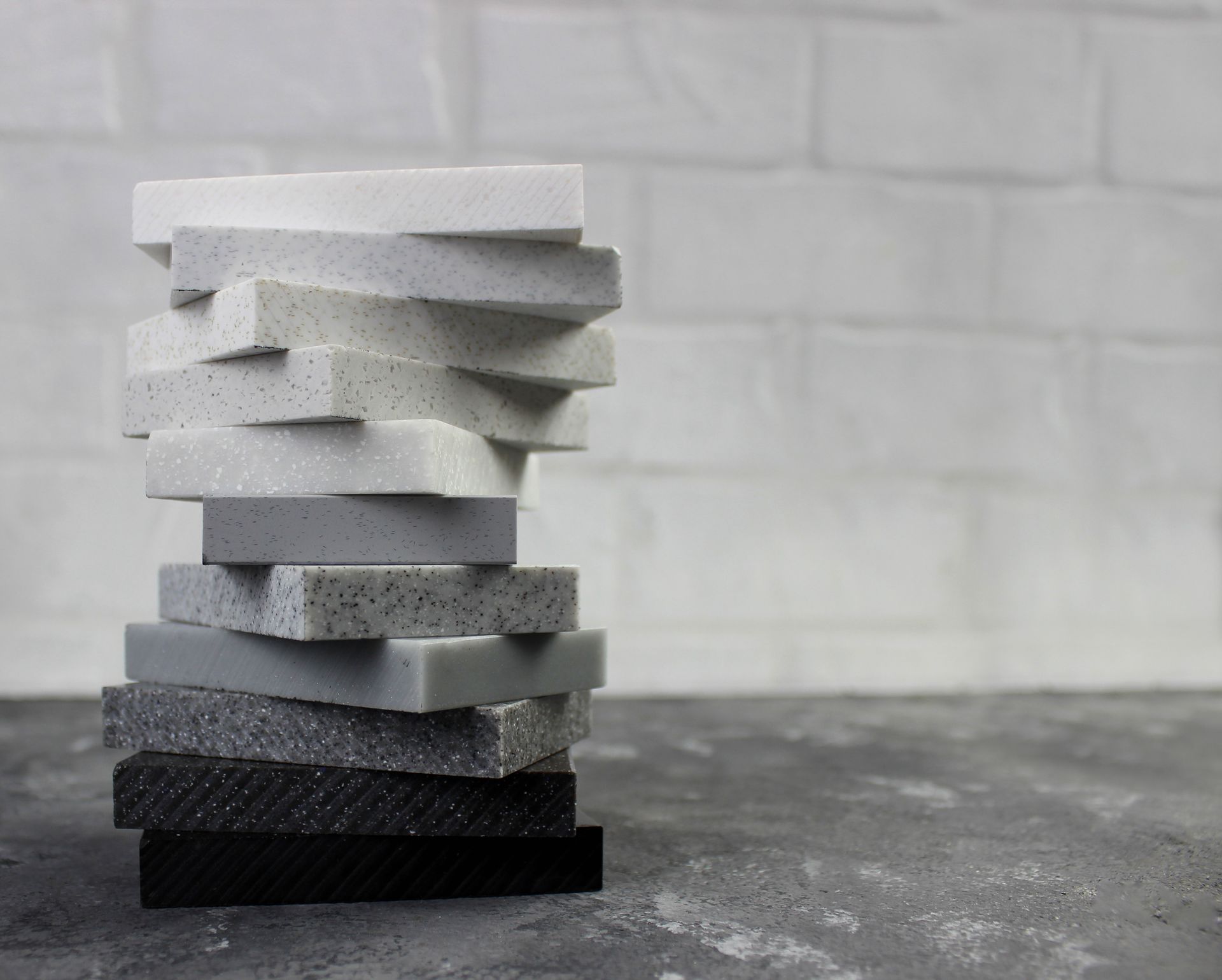
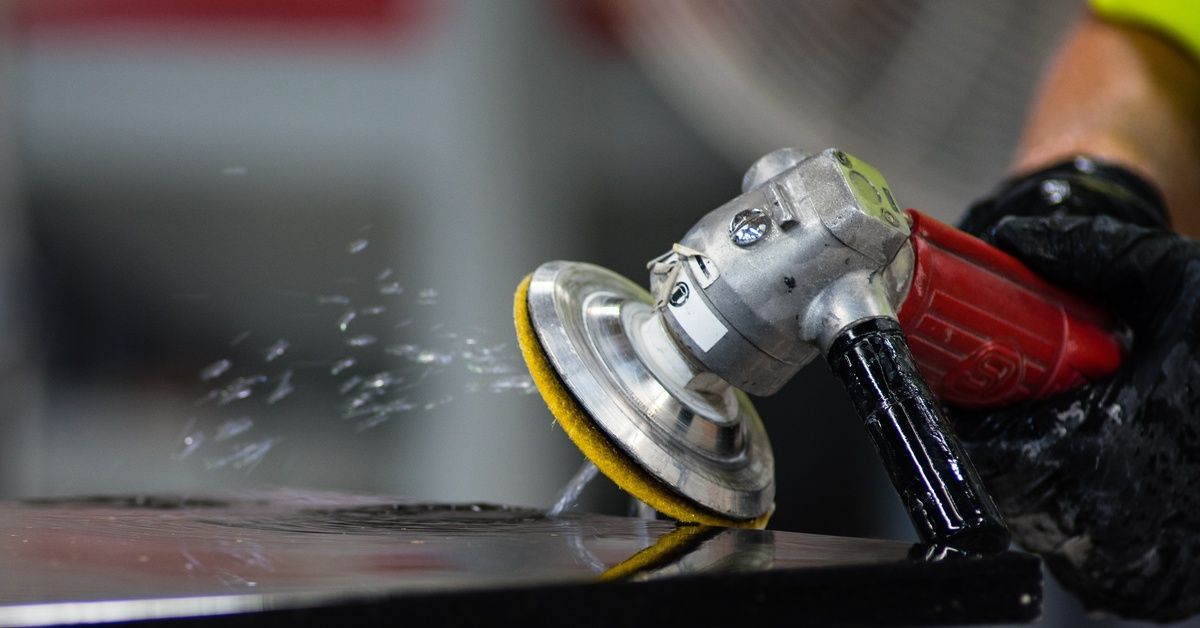
Granite, marble, quartzite, quartz, and other ultracompact or cintered surfaces can all feature a mitered edge. Each material requires careful planning before cutting begins. Pattern alignment plays a major role in achieving a seamless appearance.
Access to a broad slab inventory allows for better matching and stronger visual continuity. Skilled fabricators examine veining direction and coloration before forming the joint. The goal centers on creating a cohesive look rather than a visible seam. Plus, you can shop for many different granite countertop colors, making it easy to find a stunning match for any home.
The bonded edge receives reinforcement inside the joint. Once installed on properly leveled cabinetry, the structure performs comparably to other edge styles. Professional installation protects both appearance and longevity.
Where a Mitered Edge Delivers the Most Impact
This profile shines in areas where the countertop serves as a focal feature. Ideal applications include:
- Large kitchen islands with seating
- Waterfall island designs
- Custom bar tops for entertaining
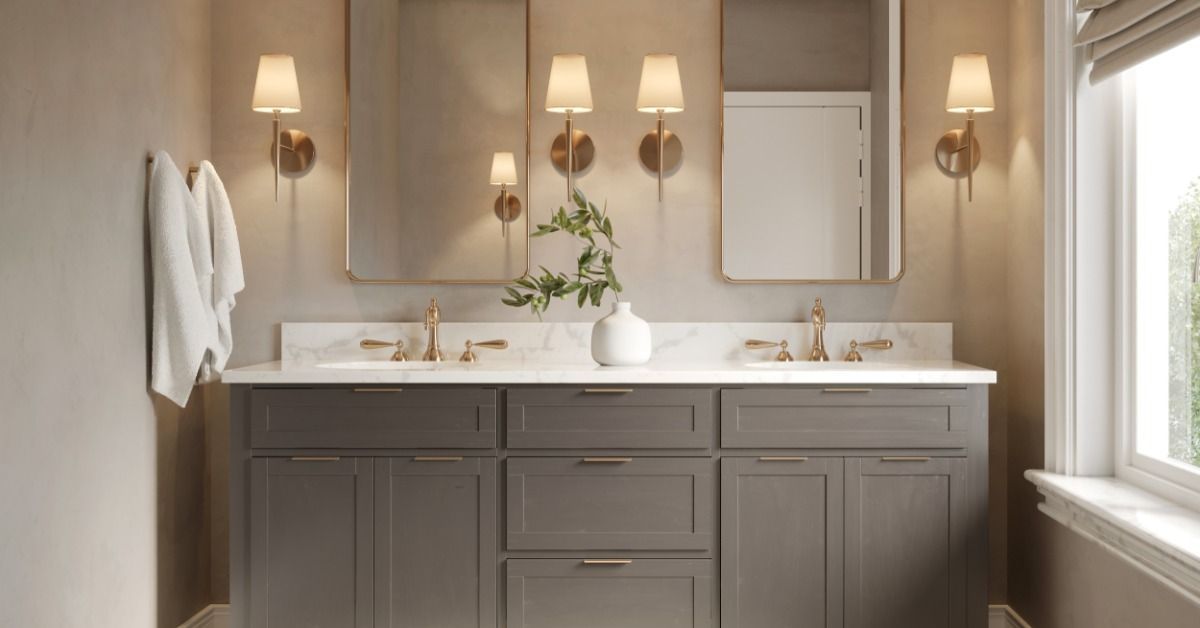
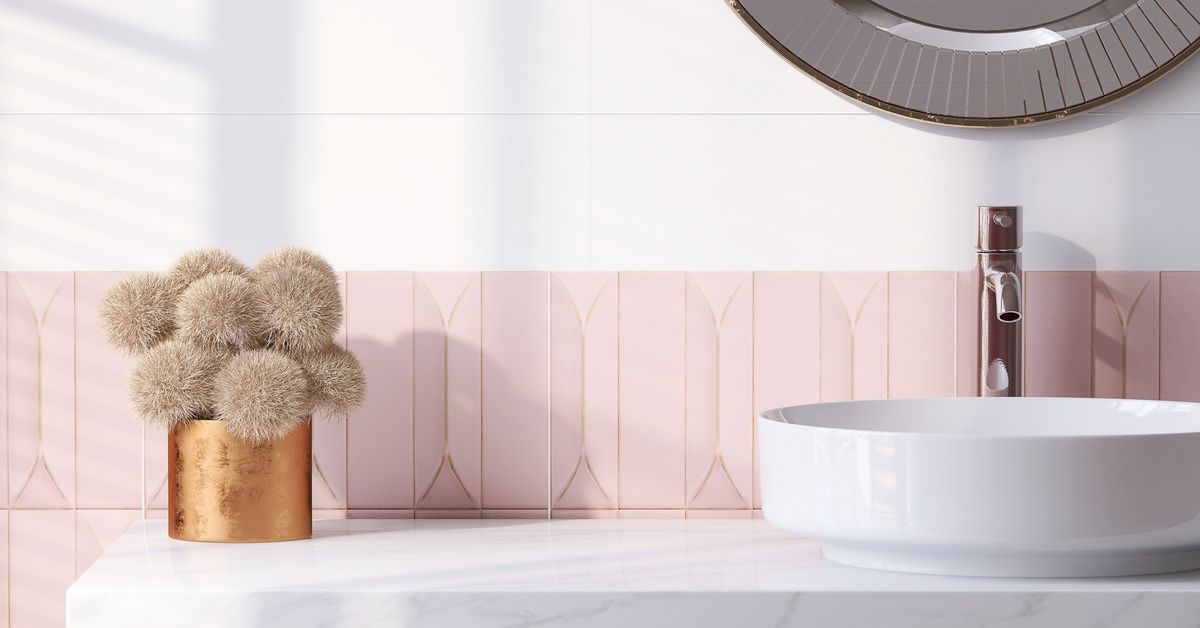
- Statement bathroom vanities
On smaller perimeter counters tucked beneath upper cabinets, the added thickness may not stand out as dramatically. Placement determines how much visual return you receive.
Budget Perspective
A mitered edge involves more labor than a basic eased or beveled profile. Fabricators must cut, bond, polish, and reinforce multiple pieces. That additional craftsmanship influences pricing.
Even so, this approach can cost less than installing full thick slabs across an entire project. The visual depth appears exactly where it matters most. Homeowners gain dramatic impact without doubling material thickness everywhere. Viewed through a design lens, the investment focuses on high-visibility areas. That targeted approach appeals to homeowners who want a bold look without unnecessary material usage.
Structural Support and Overhang Considerations
Some homeowners wonder about strength, especially with extended island seating. A mitered edge does not mean the countertop lacks support. Internal reinforcement within the bonded joint strengthens the edge itself.
Overhang support depends more on cabinet structure and bracket placement than edge style. Proper installation techniques determine long-term performance. Experienced fabricators account for seating spans and load distribution during planning.
When handled professionally, a mitered edge functions just as reliably as other profiles. Structural integrity comes from fabrication quality and installation precision.
Is a Mitered Edge Right for Your Home?
Choosing this profile depends on your design goals. If you lean toward bold, structured elements, a mitered edge aligns naturally. If your style favors delicate or understated lines, another profile may fit better.
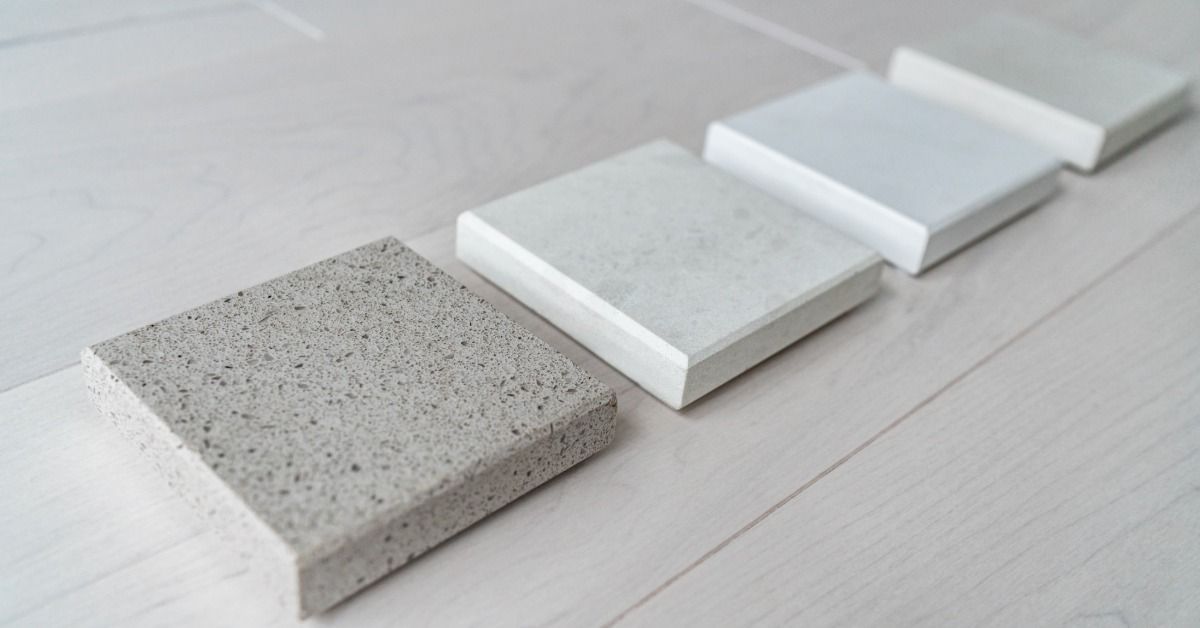
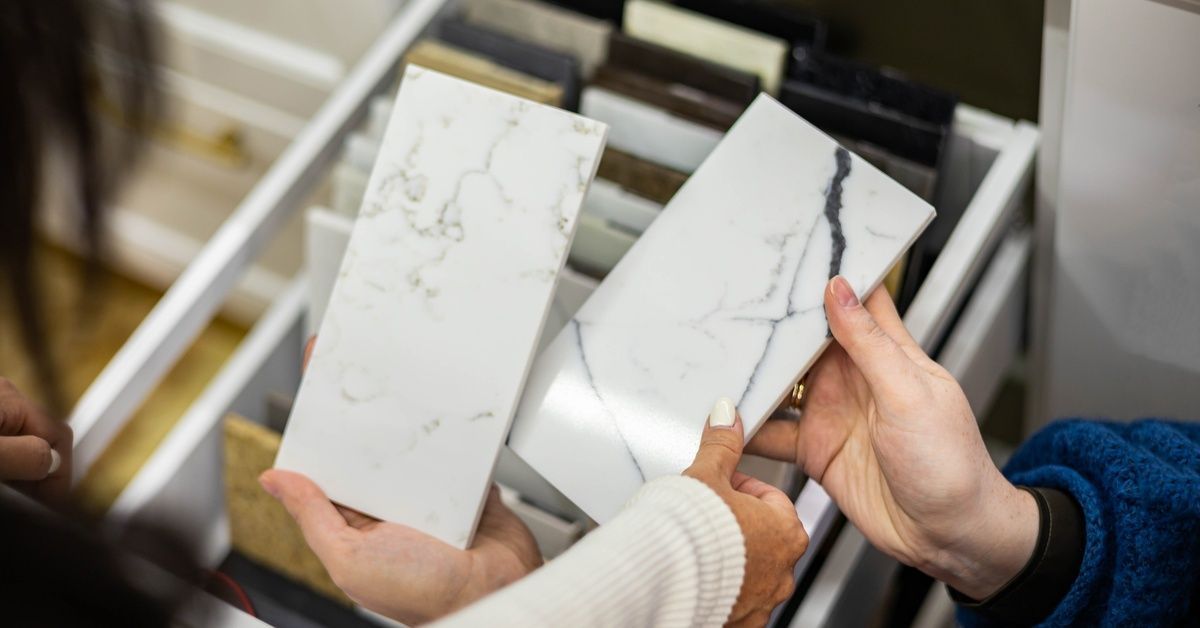
Visiting a local showroom helps clarify the difference quickly. Seeing edge samples alongside full slabs provides context that photos cannot match. Running your hand along the thickness gives a better sense of scale. When your island serves as the gathering spot for family and friends, that extra dimension can elevate the daily experience.
A Stunning Edge Design
Knowing what a mitered edge is and why it is important for counters will pay off when you’re trying to find the ultimate look for any kitchen or bathroom. Countertops anchor these areas both visually and functionally. The edge profile frames the slab and influences how the room feels once complete.
A mitered countertop edge represents a fabrication technique that delivers depth, structure, and architectural presence without requiring solid thick material throughout the entire surface. If you’re planning a renovation, explore edge profiles before finalizing your slab choice.
Visit a local showroom, compare samples side by side, and picture how each option interacts with your cabinetry and lighting. A thoughtful edge selection transforms a countertop from a simple surface into a defining feature of your home.