What Is a Waterfall Countertop and Do You Need One?
When you begin to imagine your dream kitchen or bathroom, the countertops are a central feature. They set the tone for the entire space, a canvas for both daily life and design aspirations. You may have seen a striking design trend in magazines or showrooms that catches the eye: a countertop that flows seamlessly from the horizontal surface down to the floor. This guide will explore the question, “what is a waterfall countertop, and do you need one?”, to help you decide if this dramatic look is right for your home.
The Anatomy of a Waterfall Edge
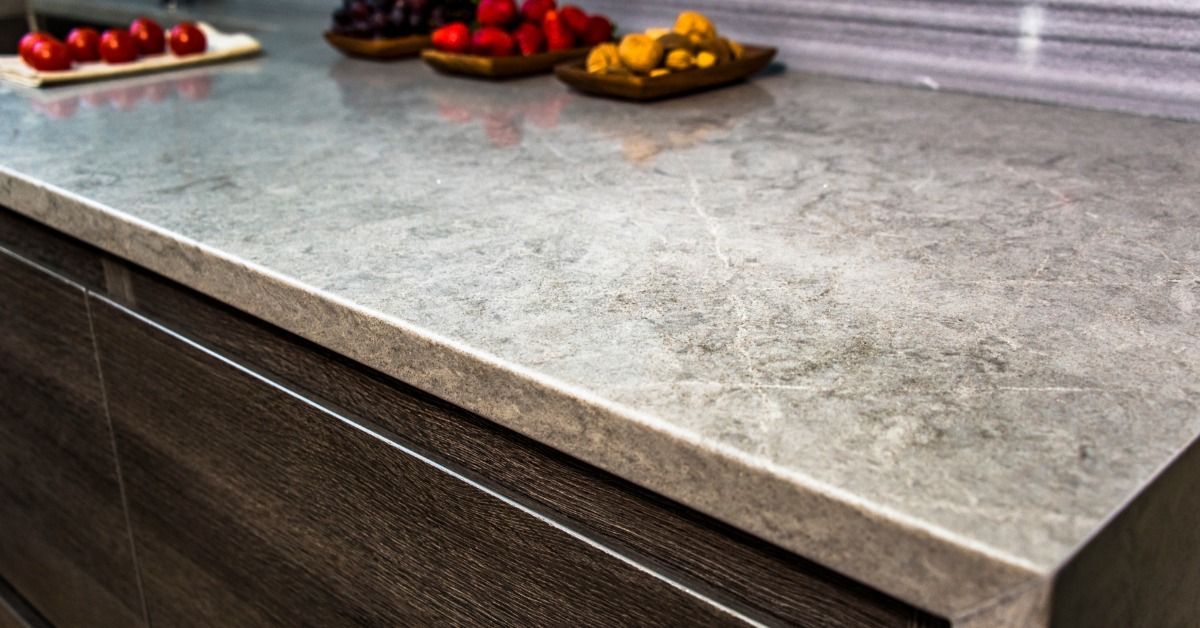
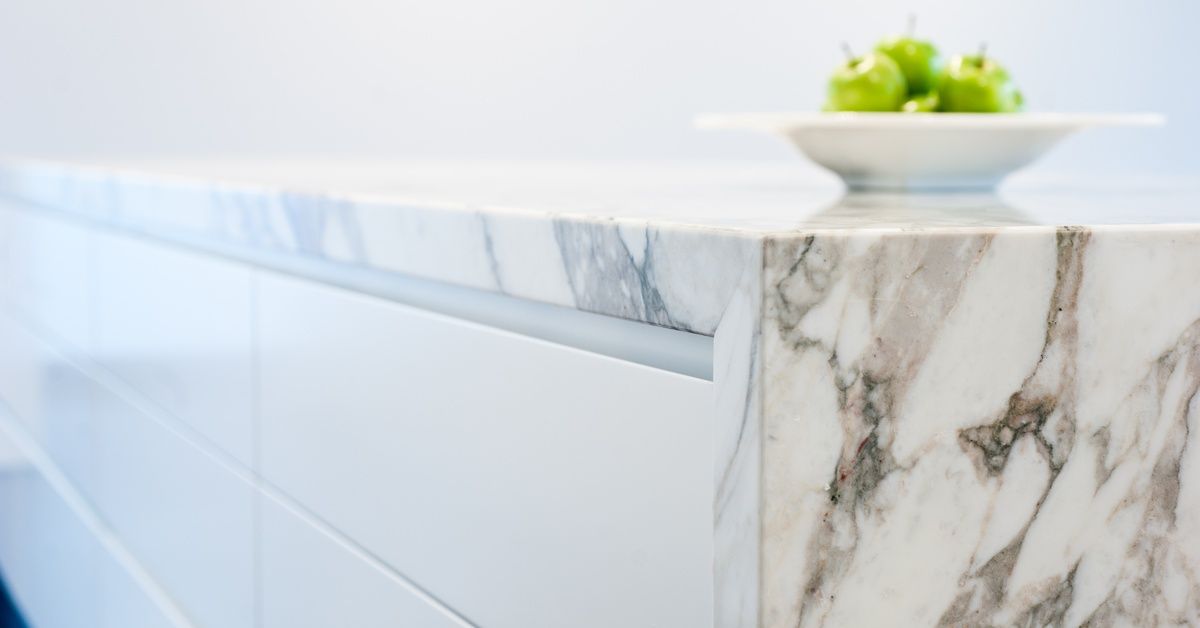
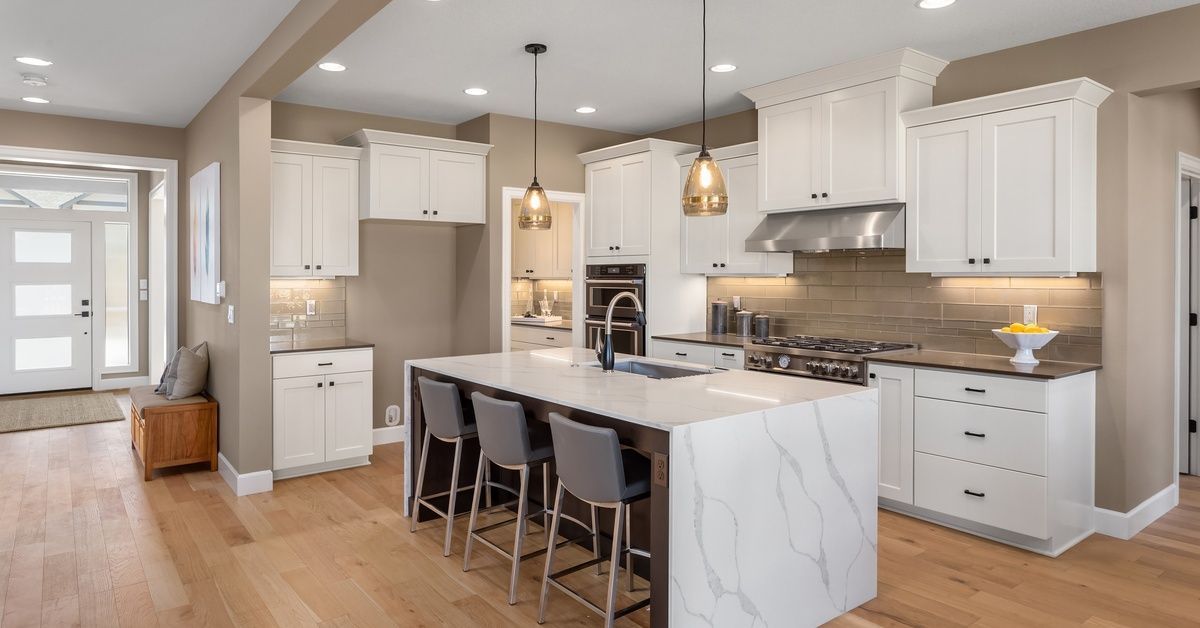
A waterfall countertop is a design feature where the countertop material flows vertically down the sides of a cabinet, island, or peninsula. Instead of ending with a finished edge, the surface turns at a 90-degree angle and continues to the ground. This creates a continuous flow of material, which mimics the graceful cascade of a waterfall. It’s a bold statement that can elevate a room from functional to spectacular.
The magic of a waterfall countertop lies in its construction. To achieve the continuous look, the fabricator must cut the stone or other material with precision. The corner where the horizontal surface meets the vertical "leg" is critical. A mitered edge is the preferred method for this joint.
With a mitered edge, both the end of the countertop and the top of the side panel are cut at a 45-degree angle. When these two pieces are joined together, they form a perfect 90-degree corner. This technique allows the veining and pattern of the material to flow uninterrupted from the top down the side, an effect that is particularly stunning with natural stone like marble or granite. It gives the appearance of a single, solid block of stone.
Materials That Shine in a Waterfall Design
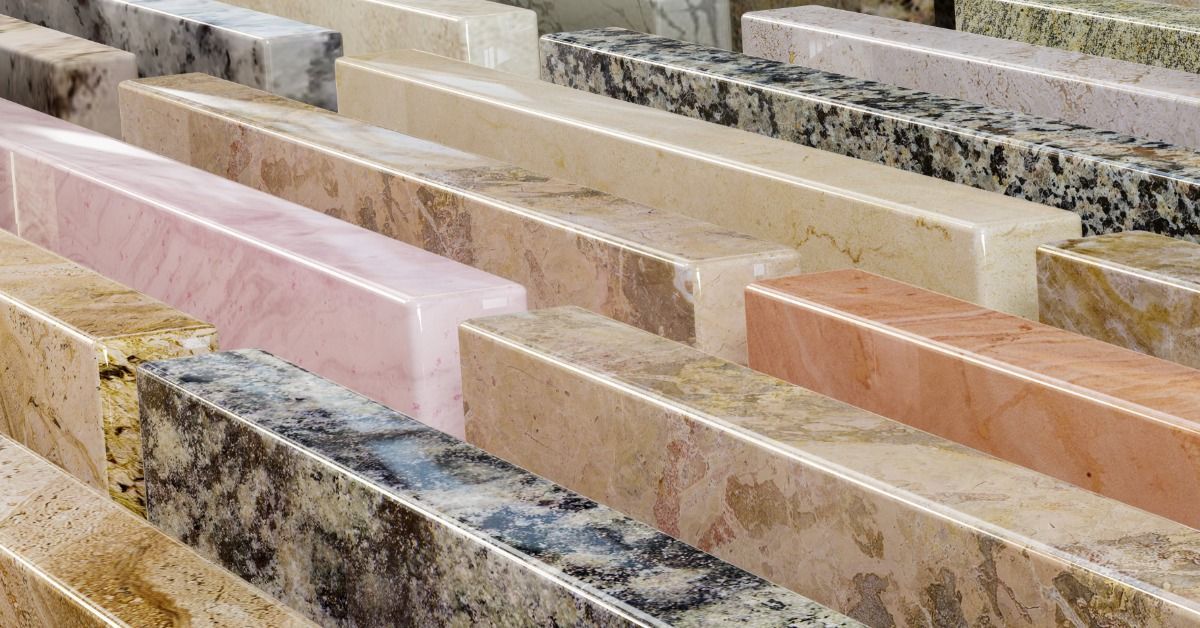
While you can use almost any countertop material for a waterfall edge, some showcase the effect better than others. The choice of material will greatly influence the final look, durability, and cost of your project.
Natural Stone: Granite
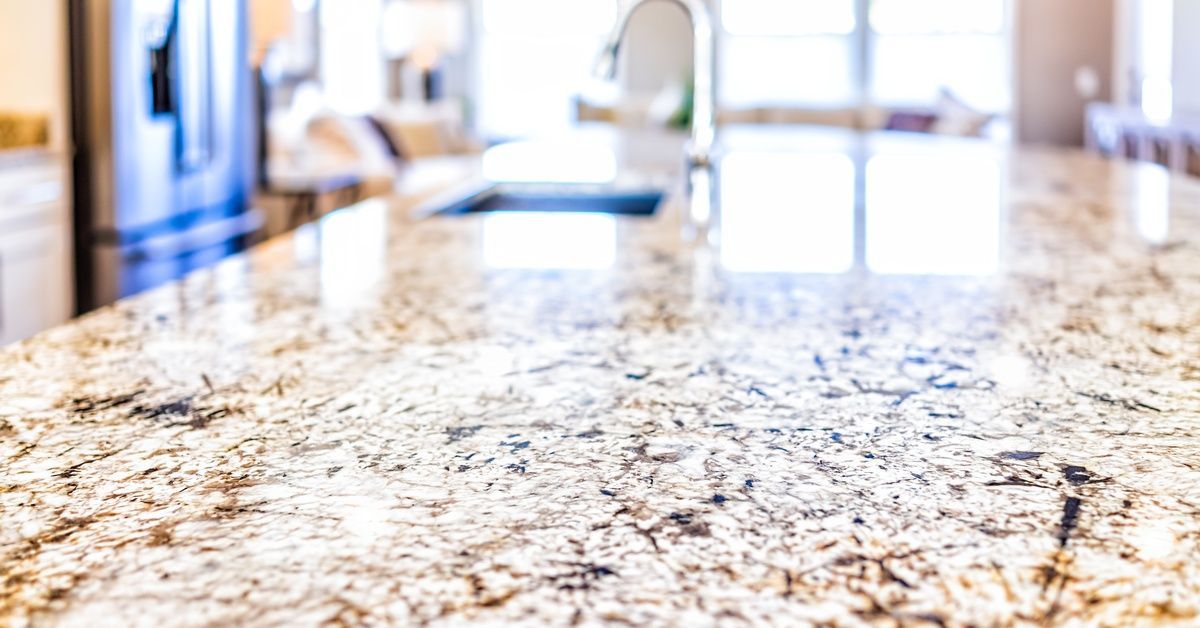
Granite is a fantastic choice for a waterfall installation because its unique, organic patterns create a one-of-a-kind art piece in your kitchen. A slab with dramatic, flowing veins will look breathtaking as it cascades over the edge of an island. The continuous pattern draws the eye and makes the island a true focal point. Natural stone offers timeless beauty and a connection to the earth.
Engineered Stone: Quartz
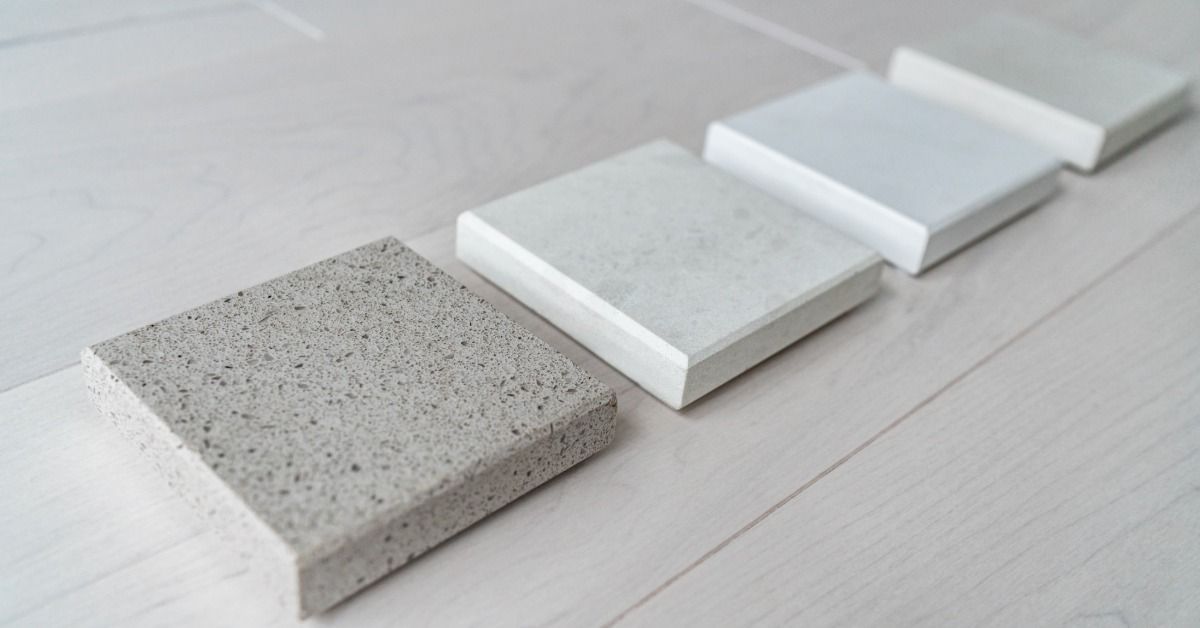
Quartz is another popular option. As an engineered material, it offers a vast array of colors and patterns, from subtle and uniform to bold and marble-like. One benefit of quartz is its consistency. A fabricator can create a nearly invisible seam at the mitered edge, especially with a solid color or a fine pattern. It also provides exceptional durability and requires no sealing, which makes it a practical choice for busy households.
Other Materials
Wood and even stainless steel are all options to create a waterfall edge. A butcher block countertop that continues to the floor can bring immense warmth and a rustic feel to a kitchen. Each material brings its own personality to the design, so your selection should align with the overall style of your home.
The Benefits of a Waterfall Countertop
Now that you know the material options available, shopping for kitchen countertops in Pittsburgh will be far easier. However, this design choice offers more than just visual appeal. It comes with several functional advantages you should consider because they can enhance your space.
One of the main benefits is protection. The vertical panel of a waterfall edge acts as a durable shield for the cabinetry underneath. In a high-traffic area like a kitchen island where stools are common, the side of the cabinet can take a lot of abuse from scuffs, kicks, and bumps. A stone or quartz waterfall panel is far more resilient than a standard wood cabinet side, which prevents dings and scratches.
Creating a Clean, Open Space
A waterfall countertop also creates a clean, finished look. It conceals the side of the island or cabinet, which might otherwise be a simple, plain panel. This detail contributes to a cohesive and high-end aesthetic. It’s a polished finishing touch that unifies the design of the room.
Finally, this feature can make a space feel larger and more open. The continuous line from the countertop to the floor draws the eye downward and can create an illusion of height. In a smaller kitchen, this can help the room feel less cluttered and more streamlined.
Design Considerations and Potential Downsides
Before you commit to a waterfall countertop, there are a few practical points to consider. The most notable factor is cost. A waterfall edge requires significantly more material than a standard countertop. You are essentially purchasing another slab or portion of a slab for the vertical surfaces.
The fabrication process is also more complex. Creating a perfect mitered edge requires a high level of skill and precision, so labor costs will be higher. The investment is substantial, but the dramatic result is worth it for those who want a show-stopping design element.
Lifestyle and Design Goals
Another consideration is your lifestyle. The sharp, 90-degree corner of a waterfall edge can be a concern in a home with small children. While the corner can be slightly rounded for safety, it will still be a hard surface. You’ll need to weigh the aesthetic against the practicalities of your family life.
Don’t forget to think about your overall design goals. A waterfall countertop is a strong, contemporary statement. It fits beautifully in modern, minimalist, and transitional spaces. It might, however, feel out of place in a more traditional or rustic design, like a country farmhouse kitchen. The style of the waterfall should complement the rest of your home's architecture and decor.
Make Your Decision Today
A comprehensive look at what a waterfall countertop is and if you need one reveals it is a choice that blends form and function beautifully. It offers a unique opportunity to turn a functional surface into a deliberate and powerful design feature. The final decision rests on your budget, your style preferences, and how you use your space.
A waterfall countertop is an investment in luxury and durability that can define a room. It’s a testament to fine craftsmanship and a love for beautiful materials. If you’re ready to explore how this stunning feature could transform your kitchen or bathroom, schedule a visit to a local showroom and install your countertop today.