How Stone Countertops Differ From Engineered Surfaces
Buying countertops, whether for the kitchen or bathroom, is not a quick decision. When you begin to select a new countertop, the debate between natural stone and man-made materials is a common one. Use our guide below to learn how stone countertops differ from engineered surfaces, so you can feel confident in your choice
The Heart of the Matter: Material Composition
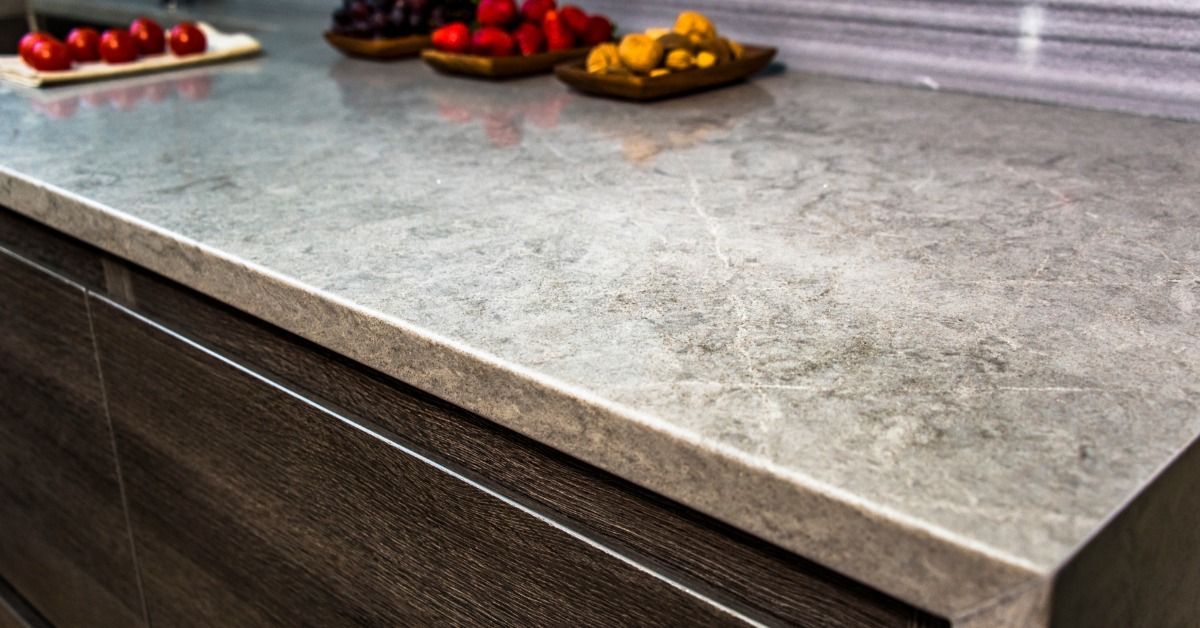
The most fundamental distinction between these two countertop types is their origin story. Natural stone countertops are just that—natural. They are quarried directly from the earth in large blocks, which are then sliced into slabs, polished, and cut to your specifications. Think of materials like granite, marble, and quartzite. Each slab is a unique piece of geological history, formed over millions of years through heat and pressure.
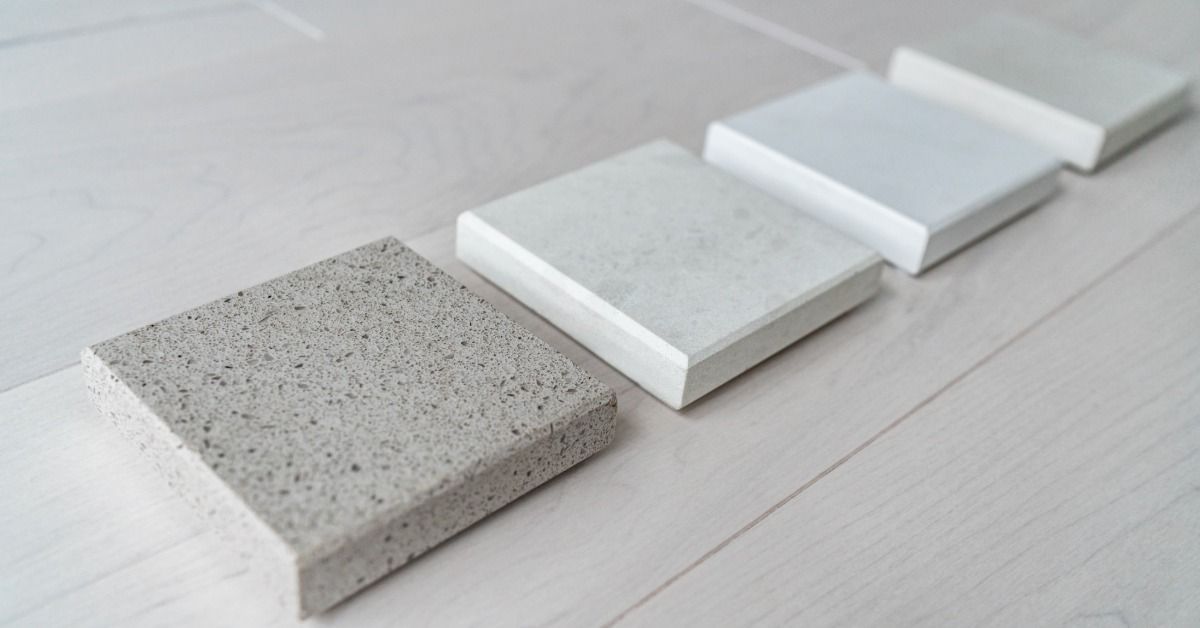
Engineered surfaces, on the other hand, are a product of human ingenuity. Quartz is the most popular example. These countertops typically contain around 90-95% crushed natural quartz crystals, which are one of the planet's hardest minerals. The remaining percentage consists of polymer resins and pigments. This mixture is carefully poured into a mold, compressed under immense pressure, and then cured to form a solid, durable slab.
The Appeal of Uniqueness: Aesthetics and Variation
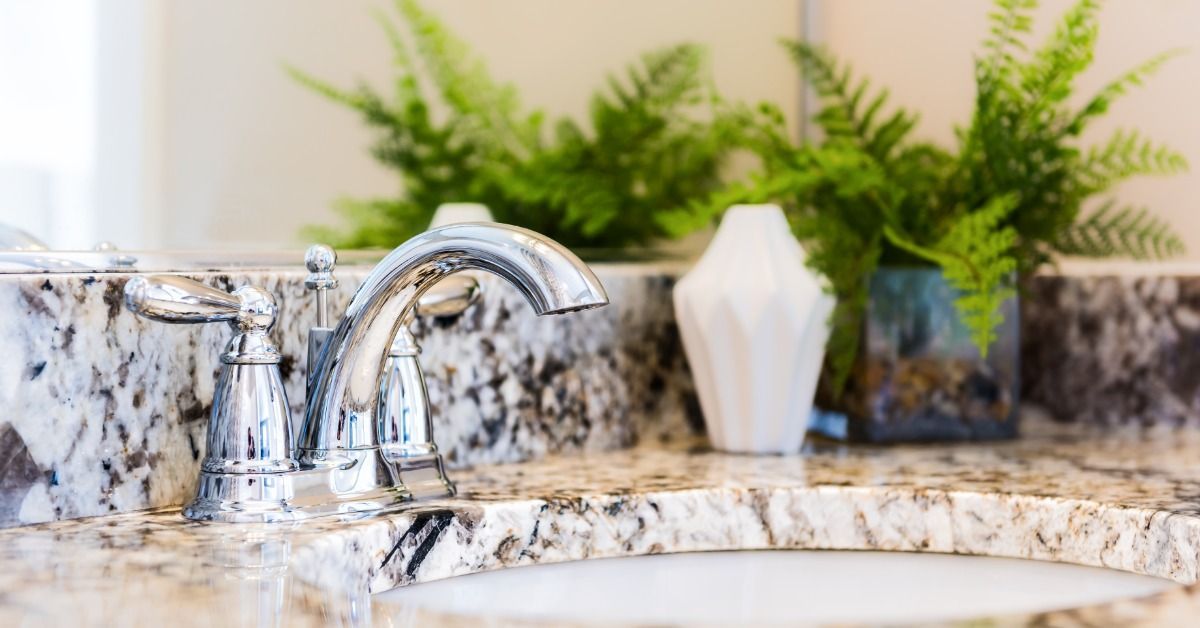
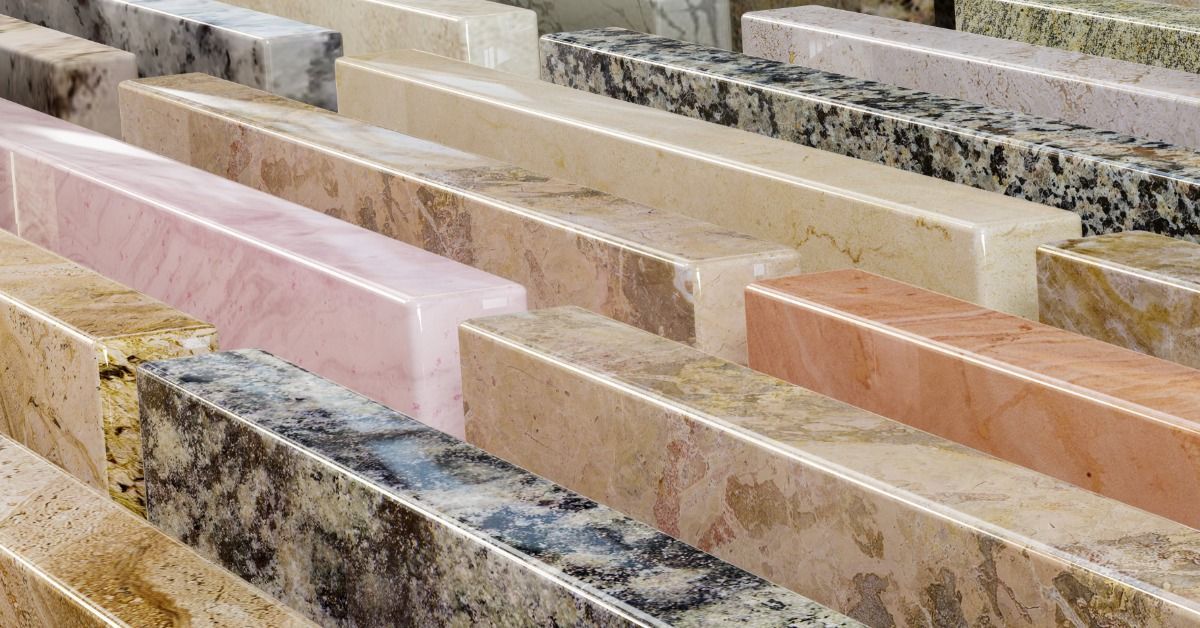
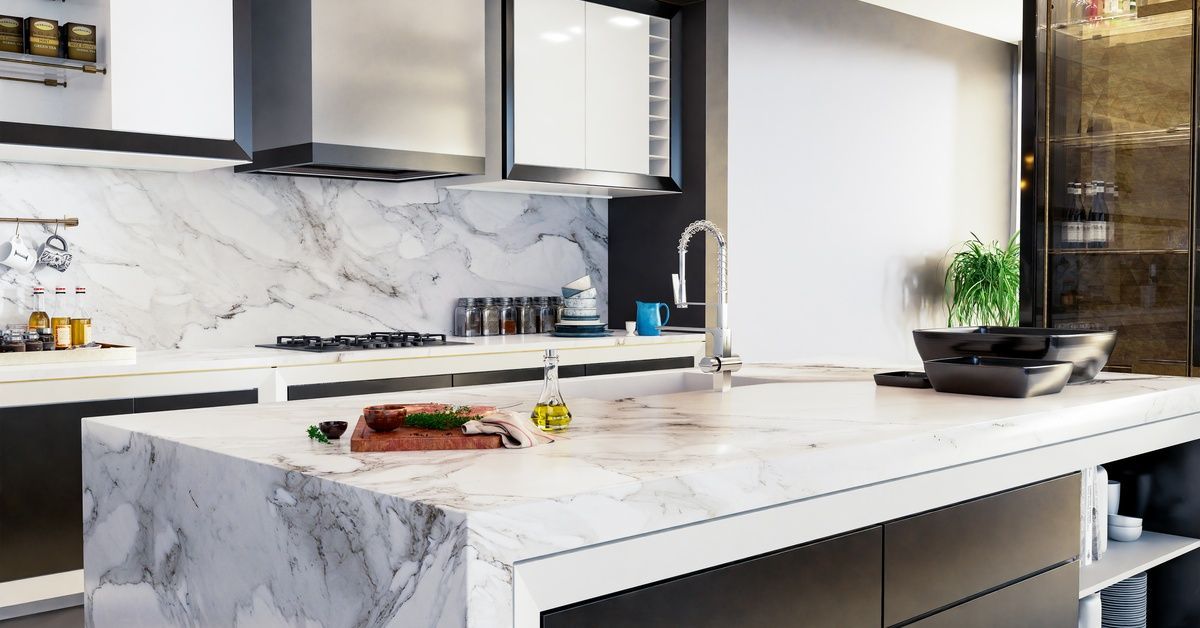
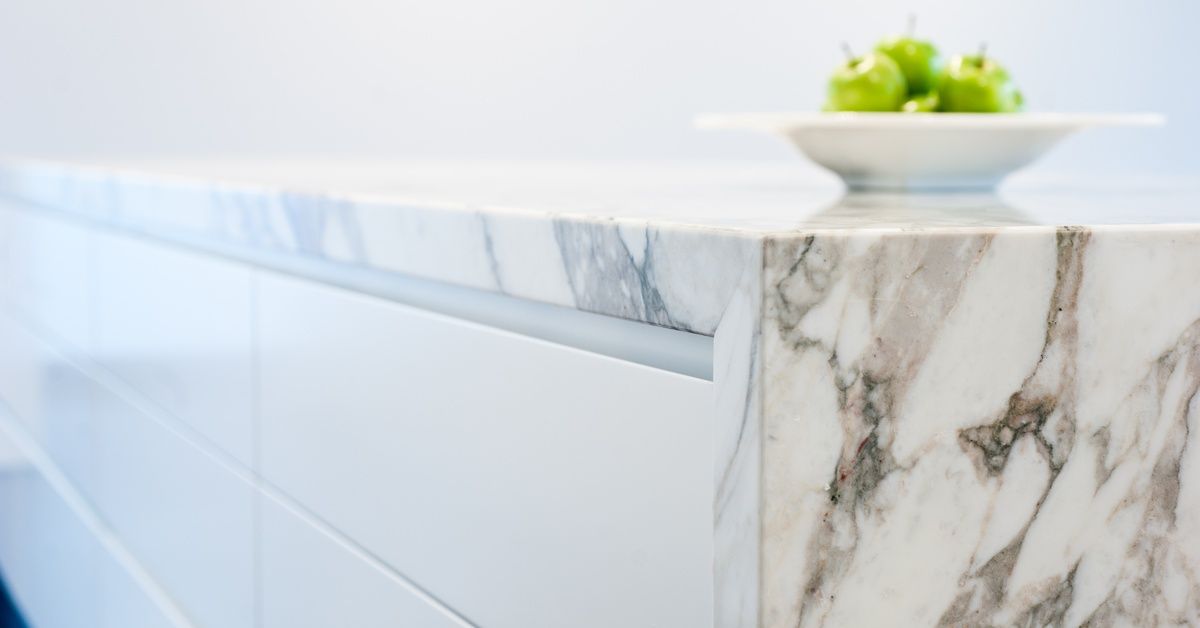
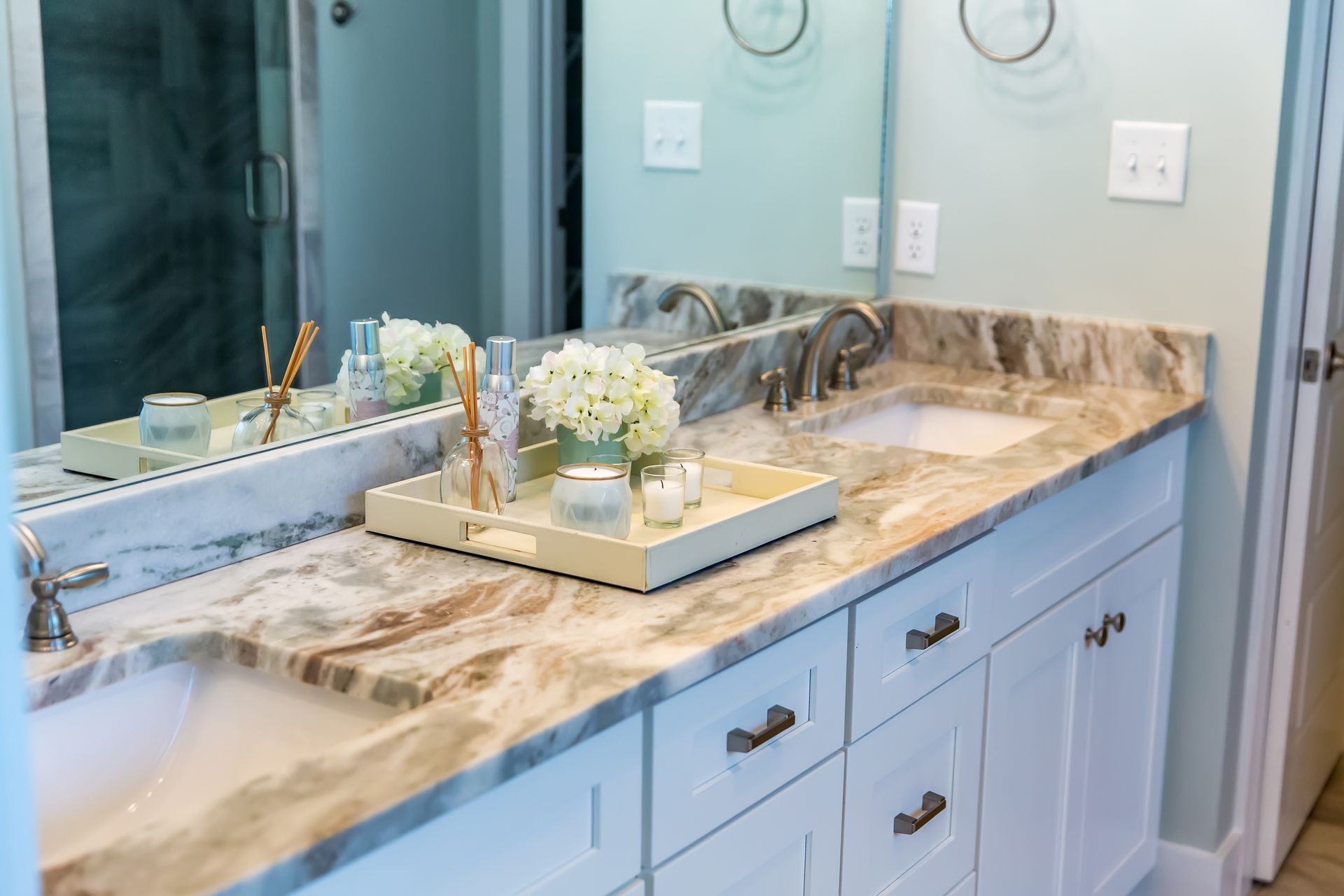
Another big way that stone countertops differ from engineered surfaces is that they bring unique aesthetic values to the table. A natural stone countertop delivers an unparalleled level of individuality to your space. Since each slab comes directly from the earth, no two pieces are ever identical. The veining in a slice of marble or the intricate mineral flecks in a granite slab are one-of-a-kind patterns. This means your kitchen or bathroom will have a surface that is truly unique to your home.
This uniqueness is a feature many homeowners treasure. You might find a granite slab with a dramatic sweep of deep burgundy or a quartzite piece with soft, feathery gray lines. The color and pattern variations are virtually infinite. This organic beauty creates a statement piece that becomes a focal point of the room.
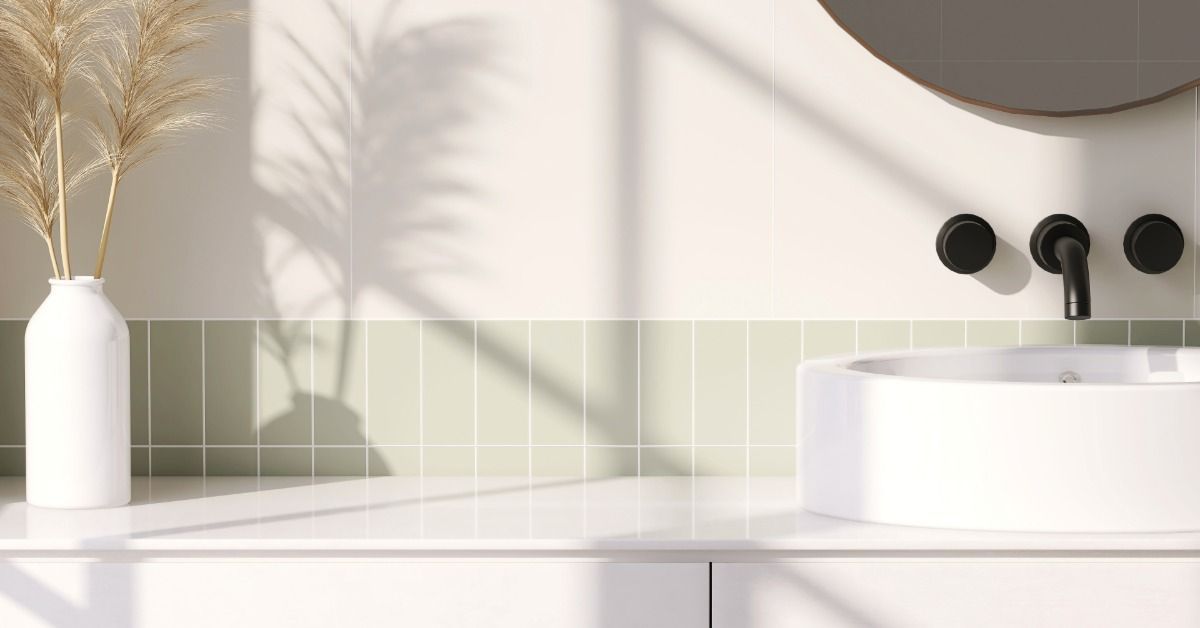
Engineered surfaces offer a different kind of aesthetic appeal: consistency. Because experts manufacture these materials, the color and pattern are uniform from one end of the slab to the other, and from one slab to the next. This predictability is a major advantage for projects that require multiple slabs, like a large kitchen island with a matching perimeter. You can be certain that the countertop will look exactly like the sample you chose.
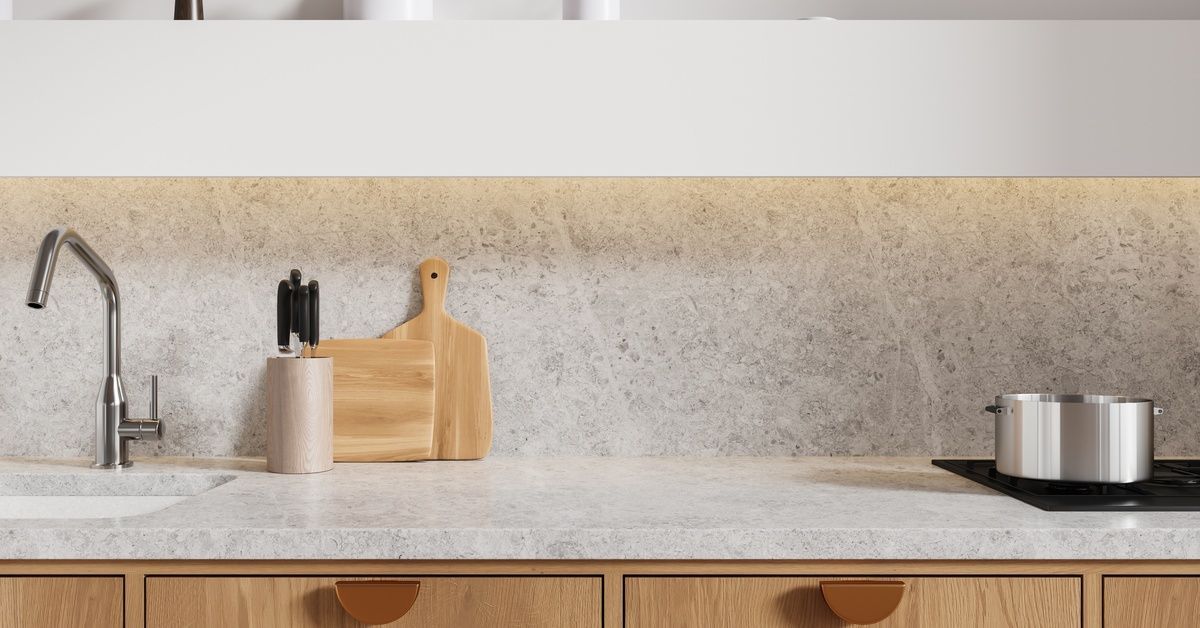
The design possibilities with engineered quartz are also vast. Manufacturers can produce slabs in a spectrum of colors, from brilliant whites and deep blacks to vibrant blues and reds. They can also mimic the look of natural stones like marble or concrete, which gives you the appearance of those materials with some added performance benefits.

Built to Last: Durability and Maintenance
Both natural stone and engineered surfaces are widely celebrated for their durability, but they have different strengths and require different care routines.
Natural Stone Care
Natural stone, especially granite and quartzite, is incredibly hard and resistant to heat. You can place a hot pot directly on a granite surface without much worry, a testament to its volcanic origins. Stone is also very scratch-resistant, though not entirely scratch-proof. A diamond, for instance, could scratch granite.
The main consideration for natural stone is its porosity. Since it's a natural material, it has tiny pores that can absorb liquids. Spills like wine, oil, or coffee can lead to stains if not wiped up promptly. To combat this, you must seal most natural stone counters upon installation and then periodically reseal them. This process is straightforward and creates a protective barrier over the surface.
Engineered Surface Care
Engineered quartz and solid surface countertops have a distinct advantage in their non-porous nature. For example, the manufacturing process binds the quartz crystals and resins together so tightly that there are no pores for liquids to penetrate. This makes engineered surfaces highly resistant to stains. You don't have to worry about that drop of red wine or a splash of lemon juice. This non-porous quality also means you never have to seal engineered quartz and solid-surface materials. The surfaces remain naturally hygienic because bacteria has nowhere to hide. Quartz is highly scratch-resistant, on par with granite.
Long-Term Value: A Surface That Grows With You
Stone countertops have been a fixture of homes for generations, for good reason. A well-chosen granite or marble island looks timeless and brings lasting character. As it ages, a natural stone surface develops subtle shifts in patina and texture, which many find charming. Regular sealing and gentle care keep stone counters looking fresh decades down the line.
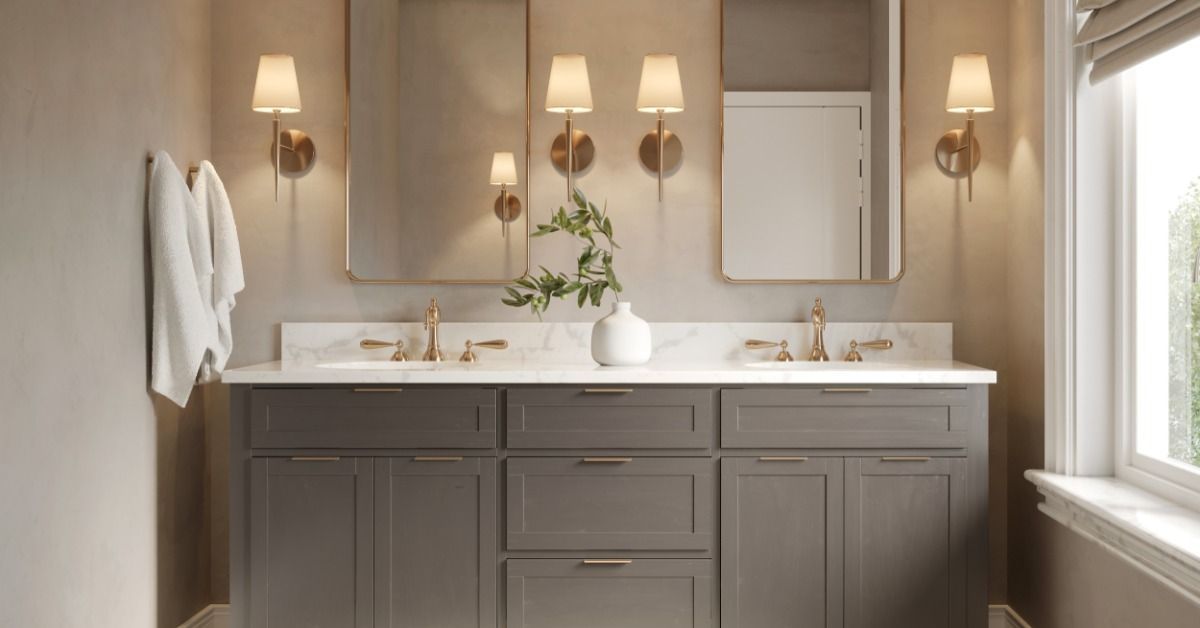
Engineered surfaces win points for their crisp, modern look and lower maintenance. Quartz won’t need resealing, which means one less thing to add to your to-do list each year. Both options boost resale appeal, but natural stone is almost synonymous with luxury, a strong draw for future buyers.
Common Misconceptions: Separating Fact from Fiction
Myths swirl around both types of countertops. Some folks think natural stone stains at the drop of a hat or is too fragile for real life. In reality, granite is tough and resists most stains, especially with regular sealing. Marble is softer, sure, but with a few simple habits—like blotting spills and using coasters—it ages gracefully.
Engineered stone, like quartz, sometimes gets unnecessarily characterized as “fake” or lacking character when directly compared to natural stone. But if you tour a showroom, you’ll find plenty of stunning options with swirling patterns or dramatic hues. Modern engineered surfaces have come a long way, with textures and effects that rival even the rarest natural stones. Plus, their stain resistance and lack of ongoing sealing mean fewer worries day-to-day.
A Final Look
Ultimately, the choice between natural stone and engineered surfaces comes down to your priorities and lifestyle. Do you value the unique, organic beauty that only a piece of the earth can provide? A natural stone like granite or marble might be the perfect centerpiece for your design. Or do you prefer the consistent appearance and low-maintenance convenience of a manufactured product? An engineered quartz surface could be the ideal solution for your busy household.
Both options offer incredible durability and timeless style that will enhance your home for many years. Take a closer look at our solid surface countertops in Pittsburgh to see these materials for yourself. Our team is here to guide you through the process and help you select the countertop that you'll love for a lifetime.