How To Coordinate Kitchen Cabinets, Countertops, & Flooring
Creating a beautiful, cohesive kitchen doesn’t happen by accident. The secret lies in understanding how your cabinets, countertops, and flooring work together to create a harmonious space that reflects your personal style.
Many homeowners feel overwhelmed when trying to coordinate these three major elements. Should your countertops match your cabinets or contrast them? What about the flooring—does it need to complement both? These are common questions that can make kitchen design feel more complicated than it needs to be.
The good news is that with a few key principles and some thoughtful planning, you can create a kitchen that feels intentionally designed and perfectly balanced. Use the tips below to learn how to coordinate kitchen cabinets, countertops, and flooring.
Finding Your Kitchen’s Personality
Before diving into materials and colors, take a moment to identify your kitchen’s overall style. This foundation will guide every decision you make about your interior design.
Modern kitchens typically feature clean lines, minimal hardware, and sleek surfaces. Think flat-panel cabinets, quartz countertops, and large-format tiles. Traditional kitchens embrace classic details such as raised-panel doors, natural stone countertops, and hardwood floors.
On the other hand, farmhouse styles blend rustic charm with functional elements, incorporating painted cabinets, butcher block counters, and wide-plank flooring.
Fine-Tuning the Little Details
Your kitchen’s architectural features can also provide clues about its natural style. Crown molding, decorative trim, and built-in details typically point toward traditional design, while open layouts and minimal trim suggest a more contemporary approach.
After identifying your dominant style, you can make choices that enhance and support that aesthetic rather than fight against it.
Your Cabinets Set the Stage
Kitchen cabinets occupy the most visual real estate in your space, making them the natural starting point for your design decisions. The color, material, and style of your cabinets will influence everything else that follows.
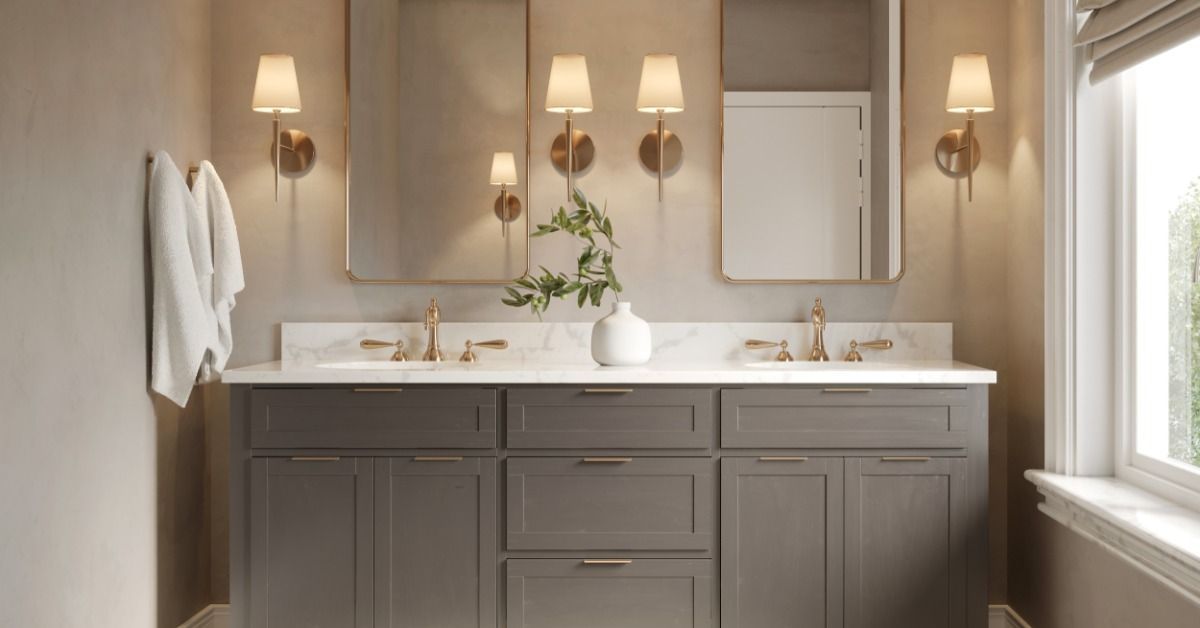
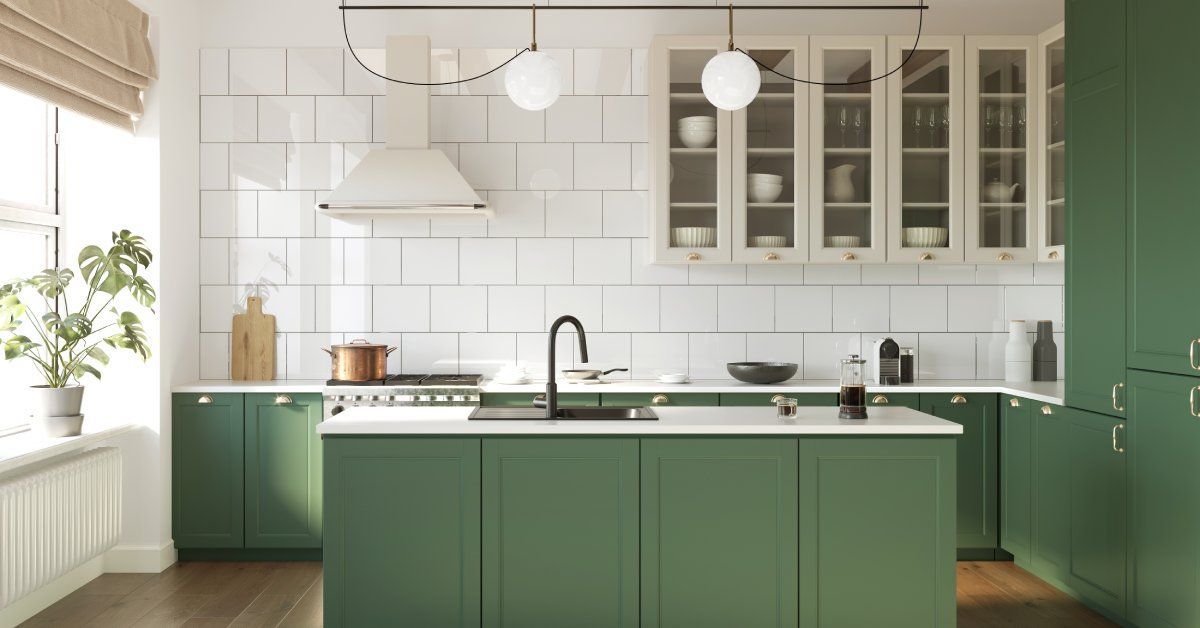
White cabinets remain incredibly popular because they work with virtually any countertop and flooring combination. They create a bright, clean backdrop that allows other elements to shine. Navy blue and forest green are sophisticated alternatives that add personality while maintaining versatility.
Wood’s Natural Warmth
Natural wood cabinets bring warmth and texture to your kitchen. Cherry, oak, and maple each have distinct grain patterns and color variations that can influence your countertop and flooring choices. Lighter woods such as birch and pine work beautifully with both light and dark accents, while darker woods such as walnut create dramatic contrast with lighter surfaces.
The Finishing Touch
The finish you choose, whether painted, stained, or natural, also affects how your cabinets interact with other elements. Glossy finishes reflect light and create a more formal feel, while matte finishes offer a relaxed, contemporary look.
Countertops That Complete the Story
Your countertops must work hard in the kitchen to provide both function and beauty. The material you choose should complement your cabinet style while meeting your practical needs.
Granite
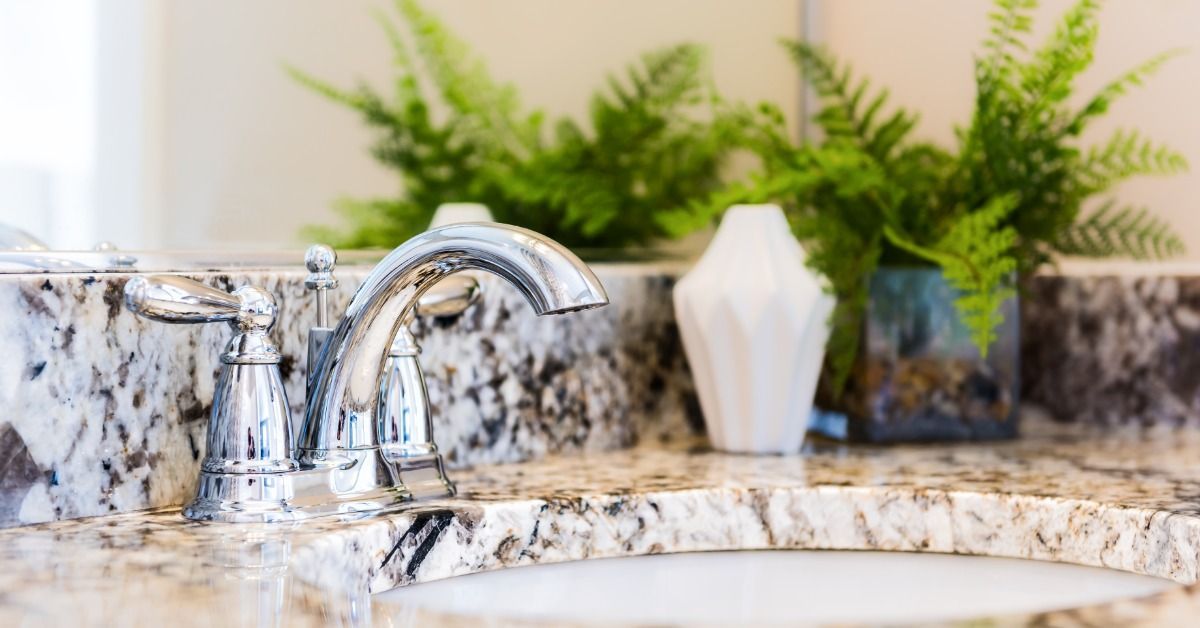
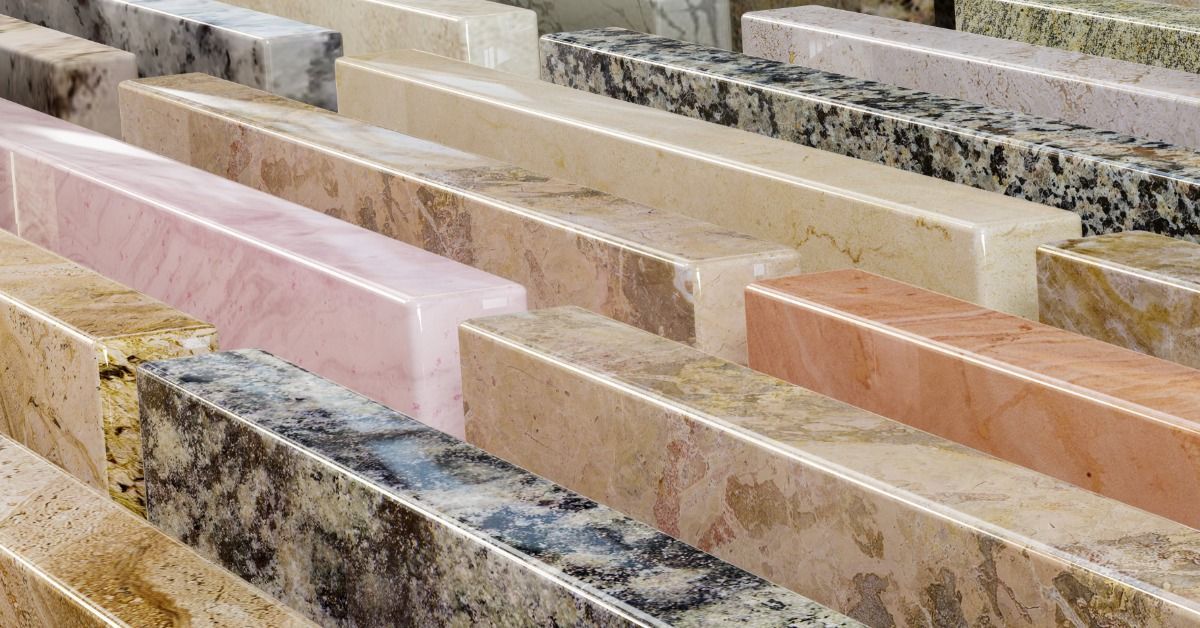
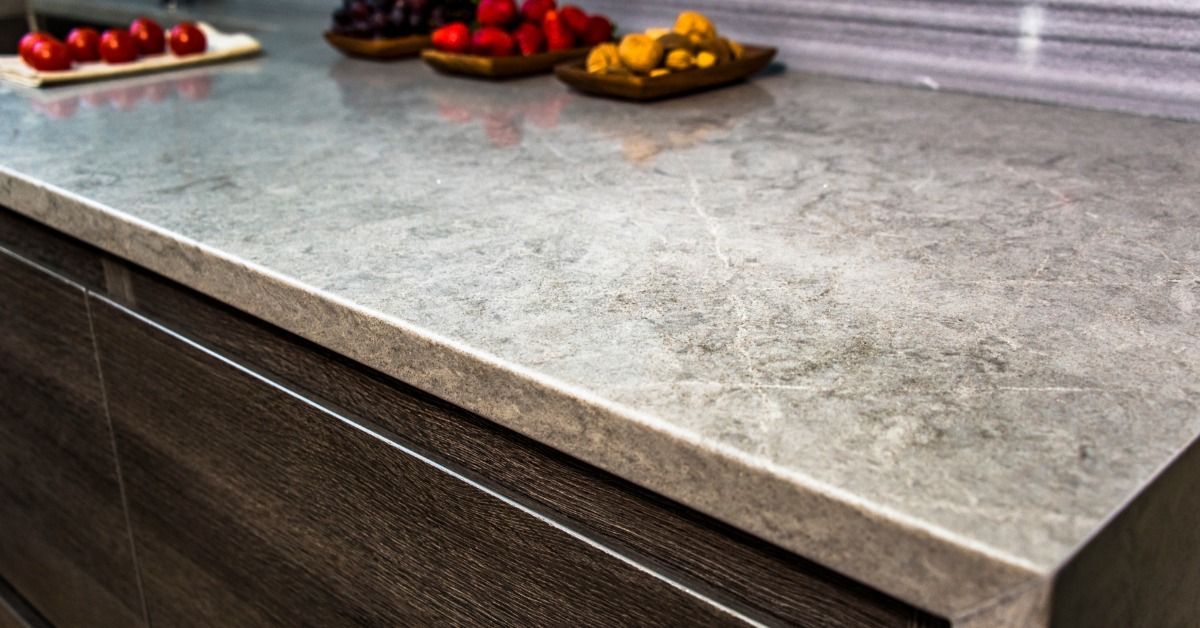
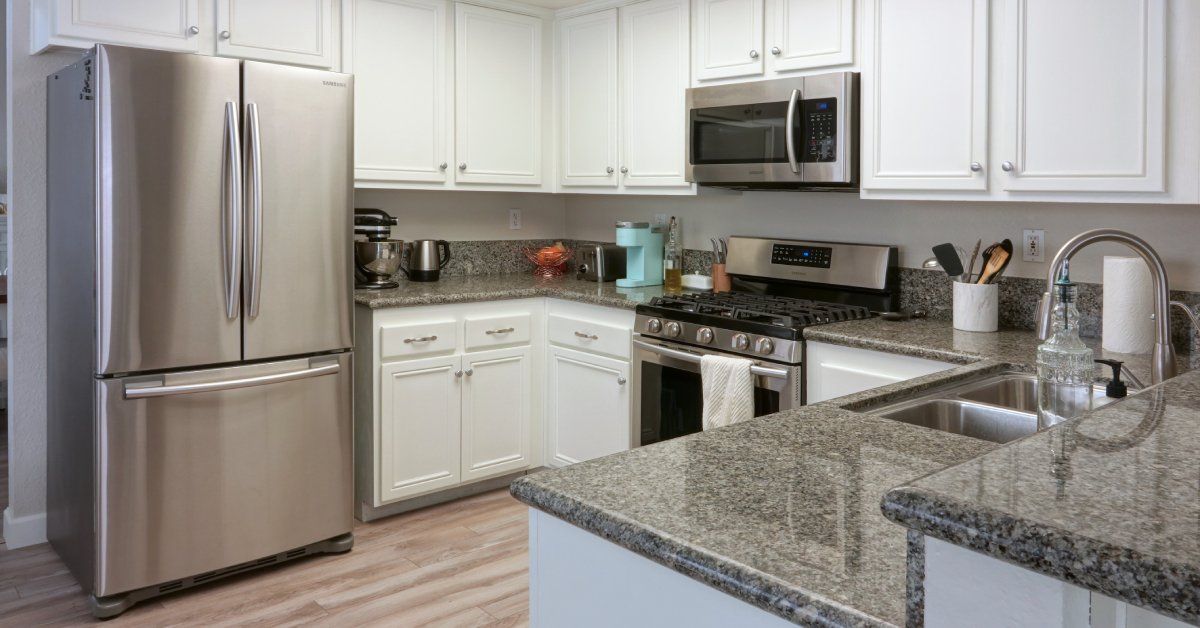
Browse granite kitchen countertops if you want a material that offers natural beauty with unique veining and color variations that can tie together different elements in the room. Each slab is one-of-a-kind, providing character that engineered materials can’t match. Granite works particularly well with traditional and transitional kitchen styles.
Quartz
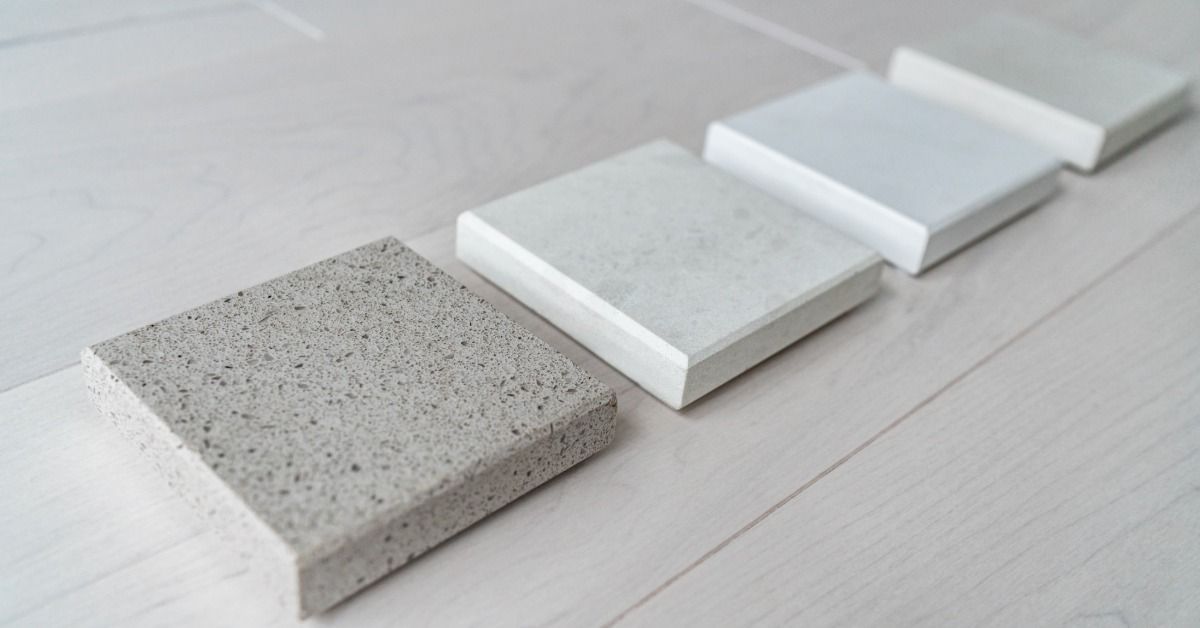
Quartz countertops provide consistency in color and pattern while offering exceptional durability. The engineered nature of quartz means you can find options that perfectly complement your cabinet color, from subtle whites to bold statement colors. This predictability makes quartz an excellent choice for modern and contemporary kitchens.
Wood
Butcher block and natural wood countertops add an inviting texture, creating a beautiful contrast with painted cabinets. They work especially well in farmhouse and traditional kitchens where the natural imperfections add to the charm.
Choosing Your Countertop
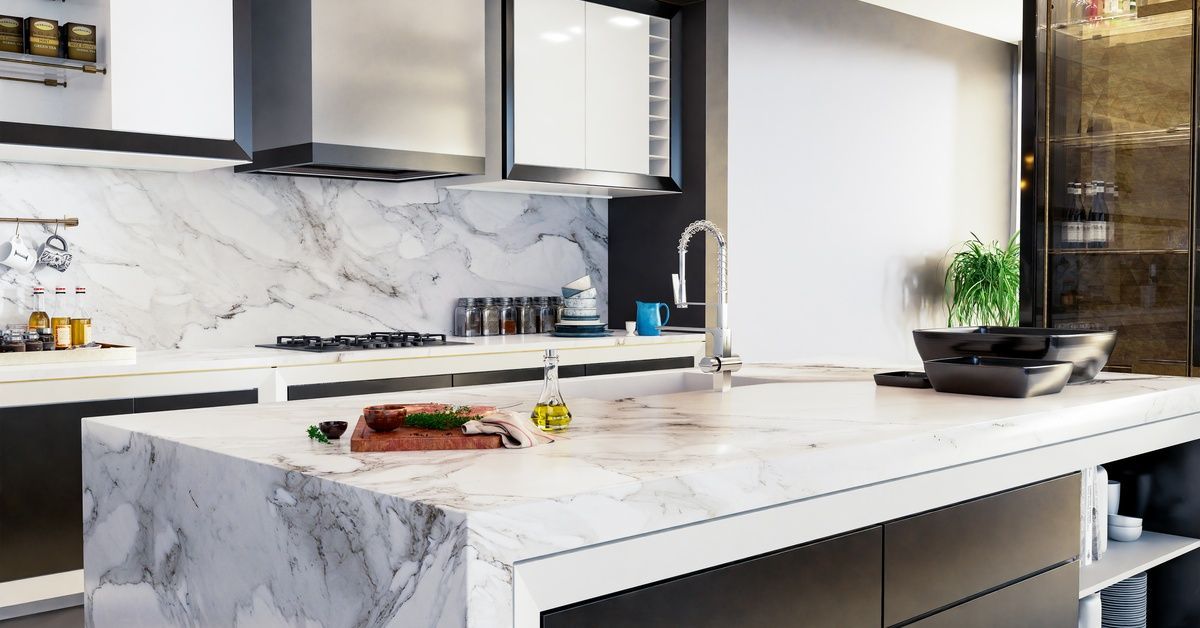
When selecting your countertop, consider how much contrast you want with your cabinets. High contrast, such as white cabinets with dark granite, creates drama and visual interest. Low contrast, such as cream cabinets with light quartz, produces a serene, cohesive look.
Flooring That Grounds Everything
Your kitchen flooring serves as the foundation that connects all your design elements. It must be practical enough to handle spills and heavy traffic while contributing to your overall aesthetic.
Hardwood Floors
Hardwood flooring brings natural warmth and works beautifully with almost any cabinet and countertop combination. The key is choosing the right tone and finish. Light oak or maple floors create an airy feel that works well with both light and dark cabinets. Darker woods, such as walnut or ebony-stained oak, add richness and work especially well with white or light-colored cabinets.
Large-Format Tiles
Large-format tiles in neutral colors provide a modern, seamless look that’s easy to maintain. Gray, beige, and cream tiles work with a wide range of cabinet colors and styles. The minimal grout lines create a clean, contemporary appearance that won’t compete with your other design elements.
Vinyl Planks
Luxury vinyl plank flooring has evolved to closely mimic natural wood while offering superior water resistance. This makes it an excellent choice for busy kitchens where spills are common. Plus, the wide variety of colors and textures available allows you to achieve almost any look you want.
The Art of Color Harmony
The key to coordinating kitchen cabinets, countertops, and flooring is focusing on color harmony. Understanding basic color principles will help you create a cohesive look throughout your kitchen.
Monochromatic color schemes use different shades of the same color family, creating a sophisticated, unified appearance. Think white cabinets, light gray countertops, and pale gray flooring.
Complementary colors sit opposite each other on the color wheel and create dynamic contrast. Navy cabinets with warm wood countertops and honey-colored floors create this pleasing effect.
Analogous colors sit next to each other on the color wheel and create harmony through similarity. Cream cabinets, beige countertops, and warm brown floors work together because they share underlying warm tones.
Texture Adds Visual Interest
While color gets most of the attention, texture plays an equally important role in creating a well-designed kitchen.
Mixing smooth and textured surfaces adds depth and prevents your space from feeling flat or monotonous. Smooth painted cabinets pair exceptionally well with textured stone countertops and distressed wood floors. The variety in surface textures creates visual interest without overwhelming the space.
Consider the sheen levels of your finishes as well. Matte cabinet paint, polished countertops, and satin-finished floors create subtle textural variation that adds sophistication to your design.
Bringing It All Together
Creating a beautifully coordinated kitchen is about understanding how each element contributes to the overall design story you want to tell. Your cabinets provide the foundation; your countertops add character and functionality; and your flooring grounds the entire space.
Remember that there’s no single “right” way to coordinate these elements. The best kitchen design is one that reflects your personal style while meeting your practical needs. Trust your instincts, and don’t be afraid to take some calculated risks with color or texture.
Take your time with these decisions, and don’t hesitate to gather samples and live with them for a while before making final choices. The investment you make in thoughtful planning will reward you with a kitchen that feels perfectly coordinated and uniquely yours.